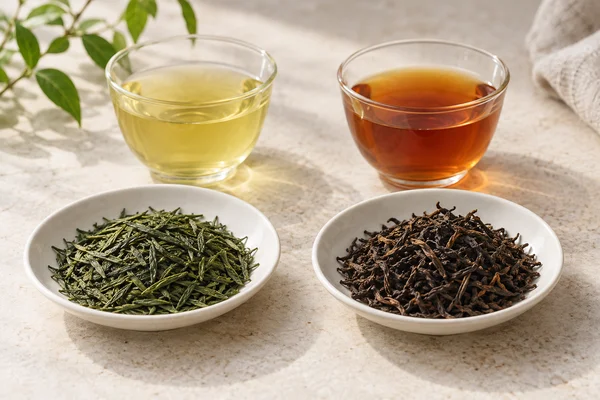
The tea atlas
Green and black tea start with the same plant
The difference develops after picking. Follow what happens to the leaf, then compare the cups without treating colour as a measure of strength.
Leaves, origins and the flavours that make one tea different from another.
The difference develops after picking. Follow what happens to the leaf, then compare the cups without treating colour as a measure of strength.
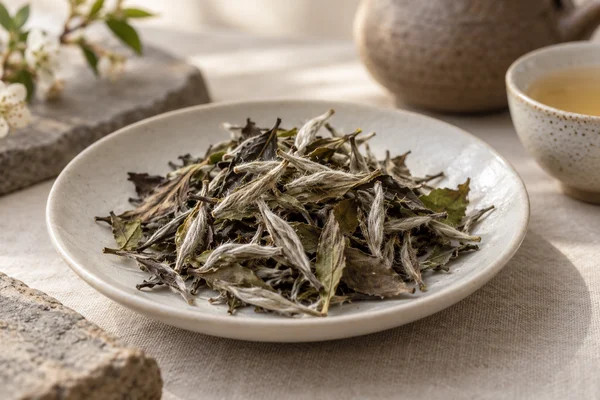
Silver buds are only one expression of white tea. Leafier styles can have a fuller cup without leaving the category.
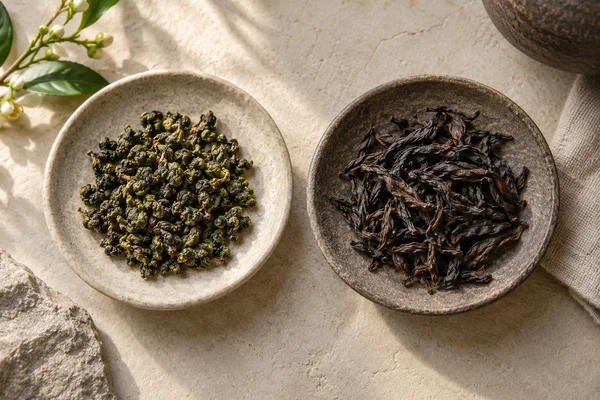
Lightly floral and deeply roasted teas can both be oolong. Oxidation alone does not explain everything in the cup.
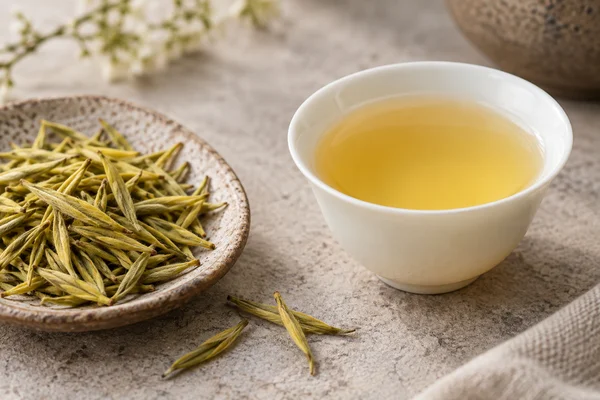
Yellow tea is defined by a processing choice, not simply by a yellow infusion or an unfamiliar name.
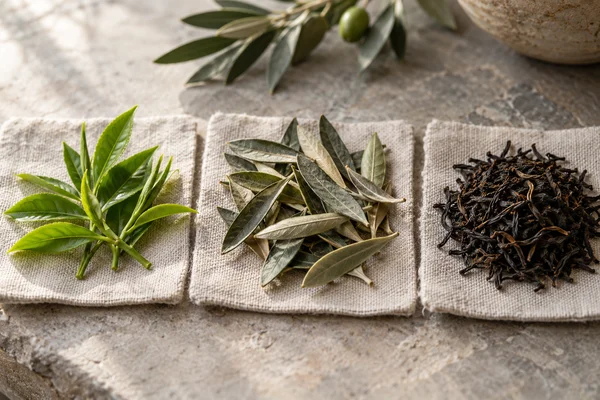
Oxidation helps explain why tea changes colour and aroma. It is different from roasting and from microbial fermentation.
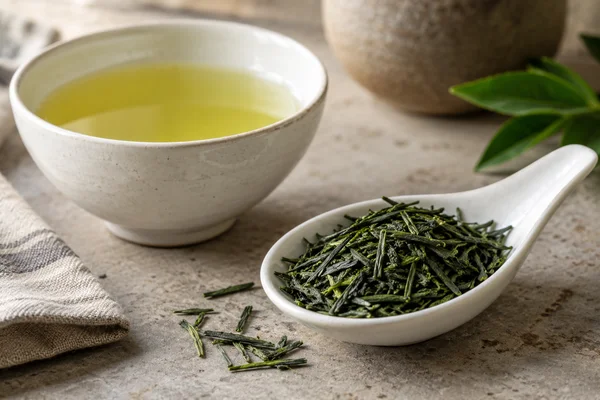
Sencha can be brisk, savoury and sweet in the same cup. Grassy is only one possible description.
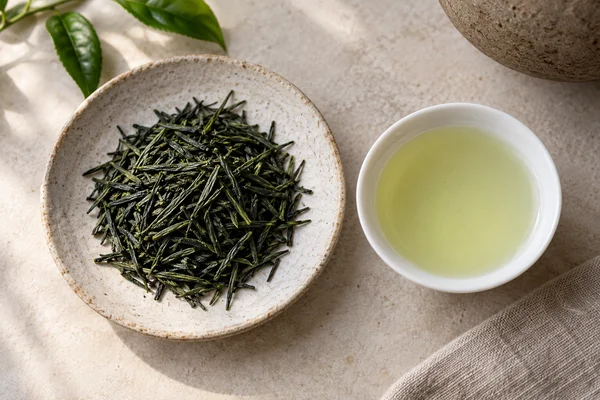
Shade helps shape gyokuro's distinctive character, but its concentrated savouriness is not a flavour everyone expects from tea.
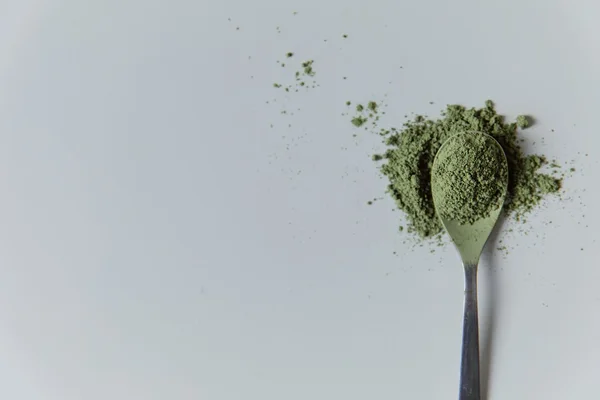
The powder stays in the bowl. That single difference explains much of matcha's texture and appearance.
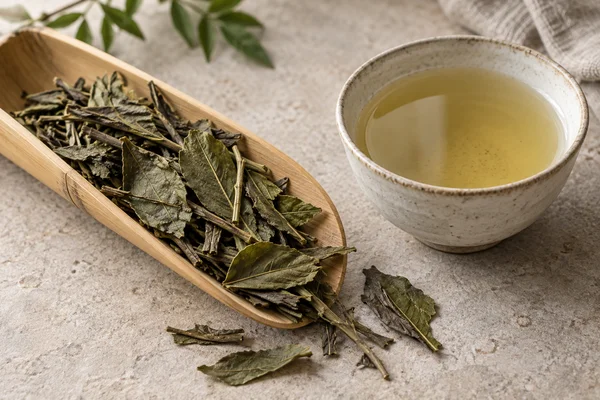
Larger leaves can make an appealing everyday tea. Bancha is a broad name, not a synonym for poor quality.
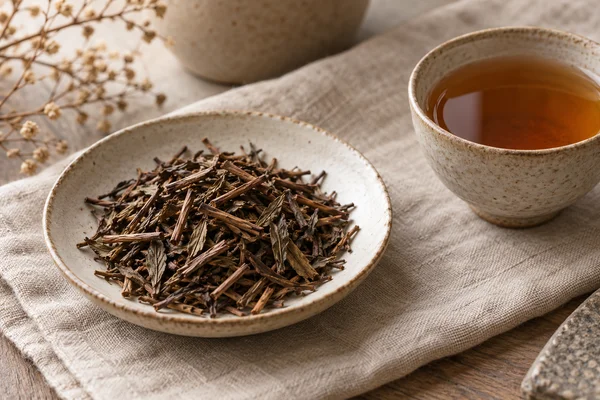
Hojicha's brown leaf and toasted aroma come from roasting. Its place in the green tea family can be surprising.
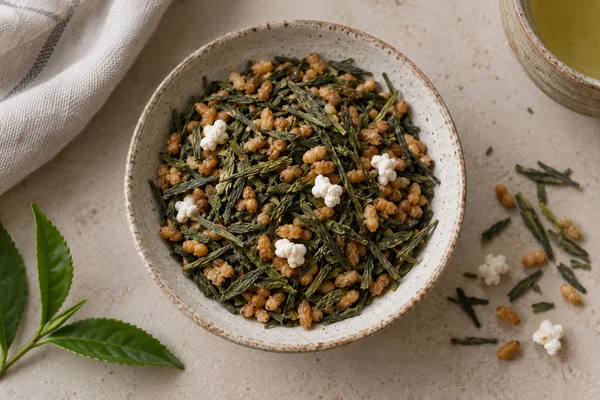
The toasted rice is not a decoration. It gives genmaicha a recognisable aroma and changes the balance of the cup.
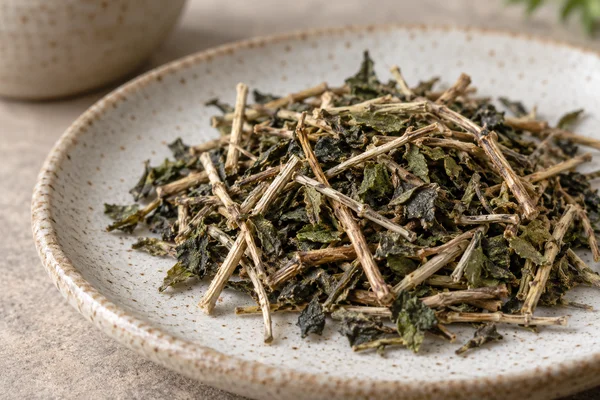
Stems can be the point of a tea, not an unwanted extra. Kukicha makes that clear in both appearance and flavour.
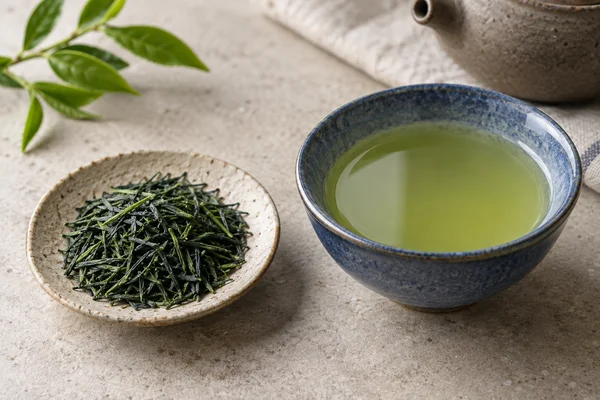
Kabusecha can connect sencha's freshness with a more rounded savoury note. The shading description needs context.
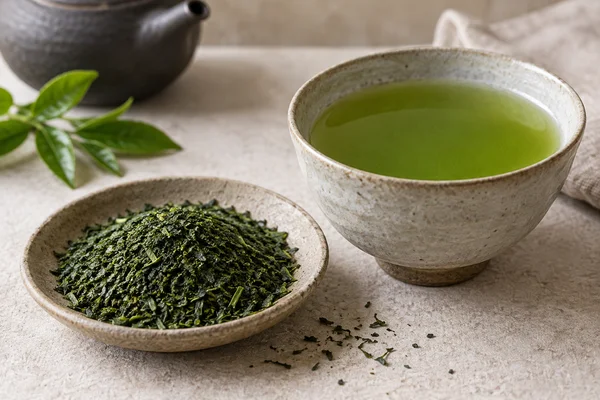
A cloudy green cup and fine leaf particles can be part of the intended style of deeply steamed sencha.
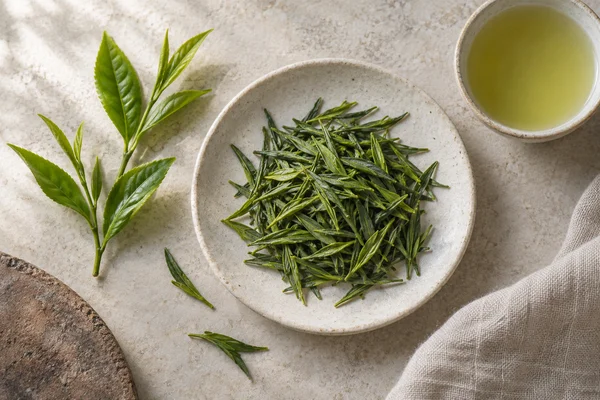
Shincha points to a newly released harvest. It is not a separate plant or a guarantee that every packet tastes alike.
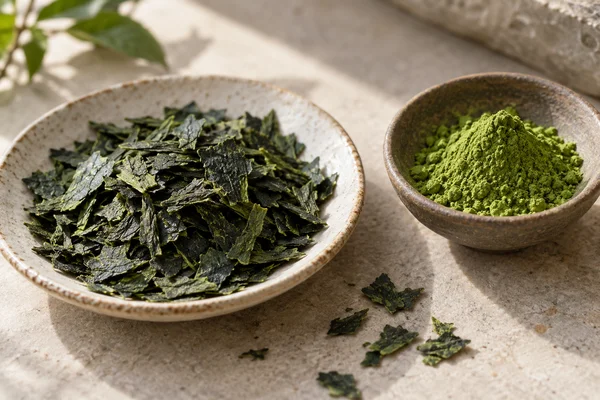
Before matcha becomes powder, it exists as a light, flaky leaf called tencha. Its shape reveals a different process from sencha.
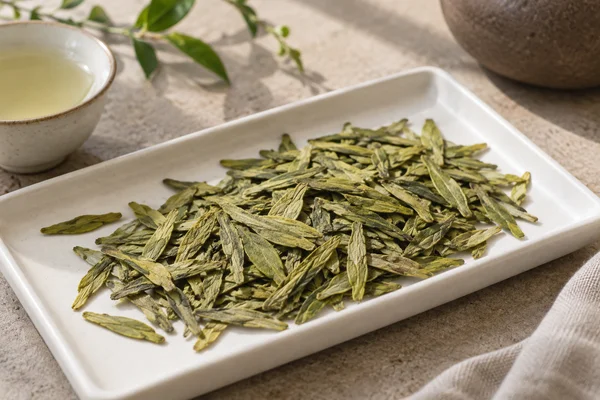
Longjing's flattened leaf is distinctive, but the best introduction is the relationship between its shape, aroma and cup.
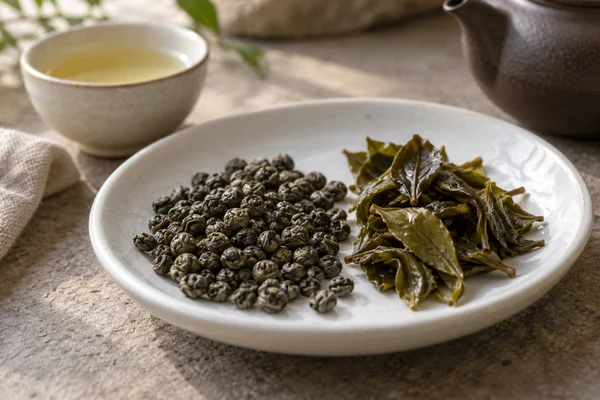
Gunpowder gets its name from its rolled shape. Those compact pellets change how a spoonful looks and opens.
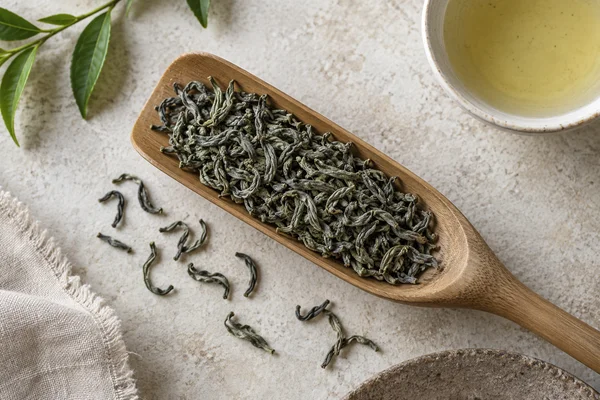
Chun Mee is named for a curved leaf shape. Its brisk green character deserves more attention than the translation alone.
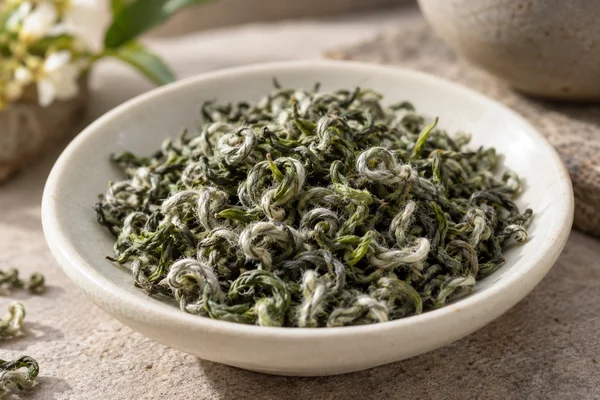
Small curls and fine down make Biluochun visually distinctive. Origin and leaf material explain why packets can differ.
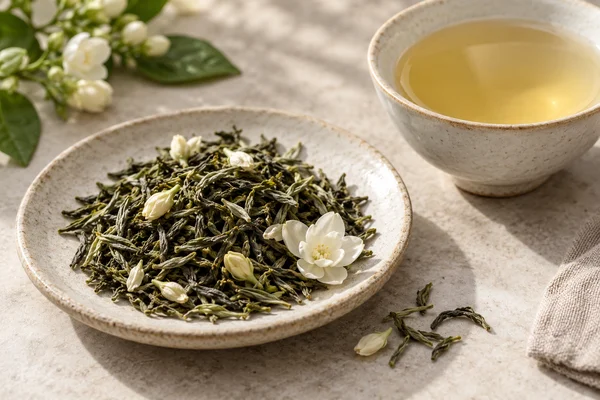
Most familiar jasmine tea combines a tea base with floral scent. It is not simply dried jasmine flowers in hot water.
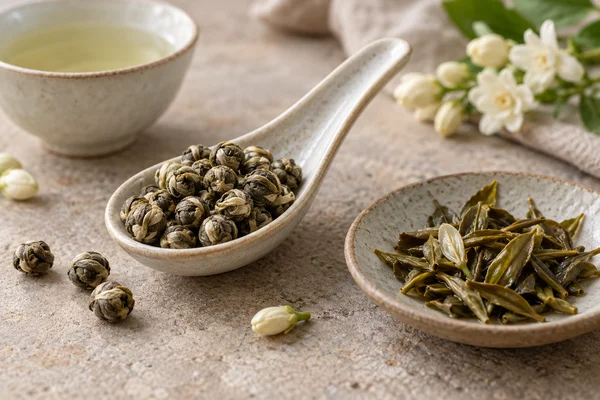
Jasmine pearls combine scenting with a rolled leaf shape. Their slow opening is useful to watch, but not a quality test by itself.
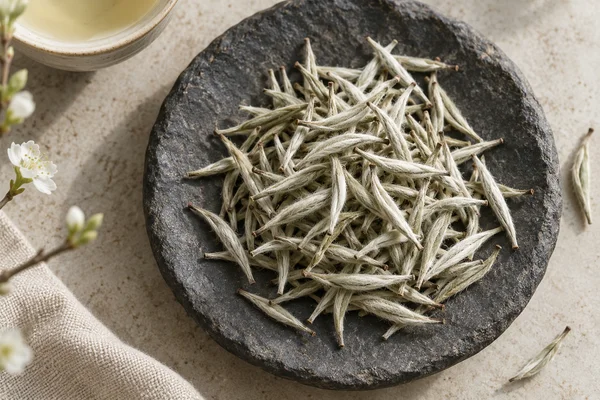
Silver Needle puts buds at the centre of the cup. Its fine appearance does not mean it needs to taste weak.
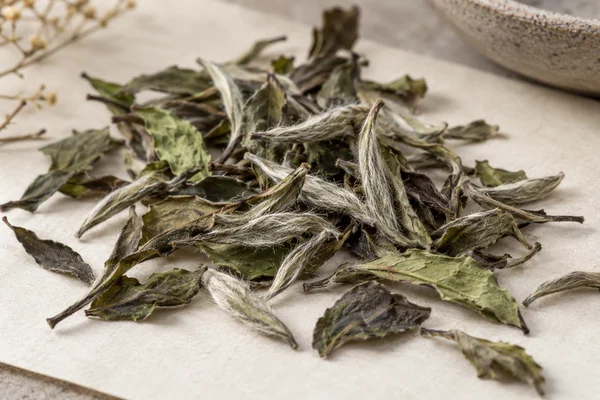
Bai Mu Dan combines buds and leaves. The mixed appearance is the beginning of its character, not a flaw to sort out.
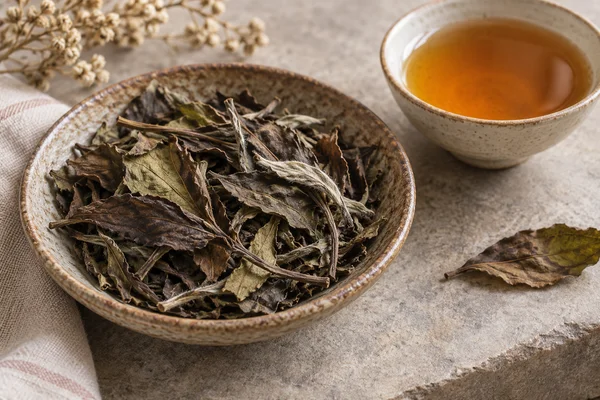
Shou Mei's broad, rustic leaves can make a rewarding white tea. Appearance grades should not replace your preference.
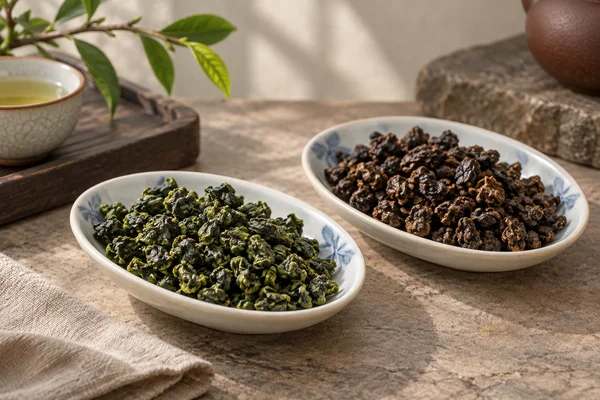
Tieguanyin may be fresh and floral or deeper and roasted. Ask about the style before expecting a familiar cup.
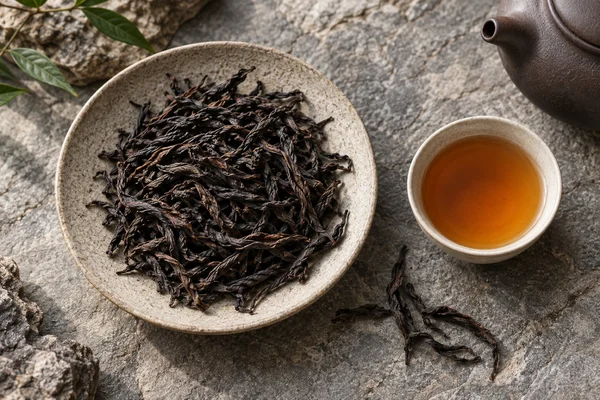
Rock tea is a family of Wuyi oolongs. Roast is part of the story, but the name does not promise a literal taste of stone.
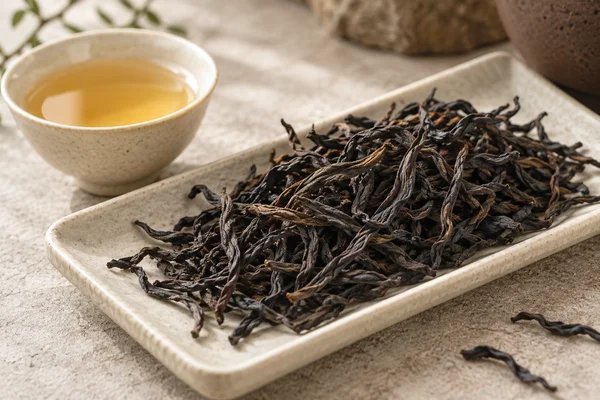
Dancong names often point towards fragrance. Honey, orchid and other words describe tea character rather than added ingredients.
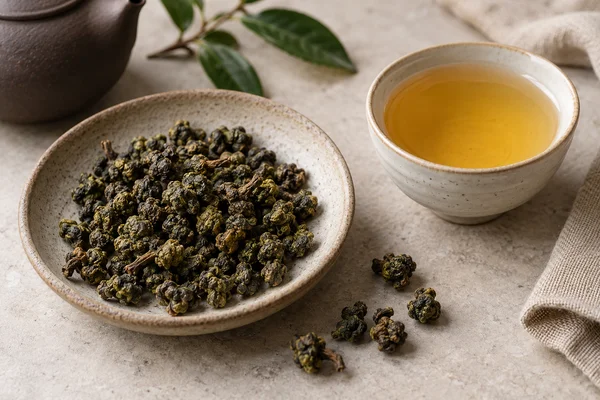
Dong Ding is closely associated with Taiwanese oolong and roasting, but the roast level is worth asking about.
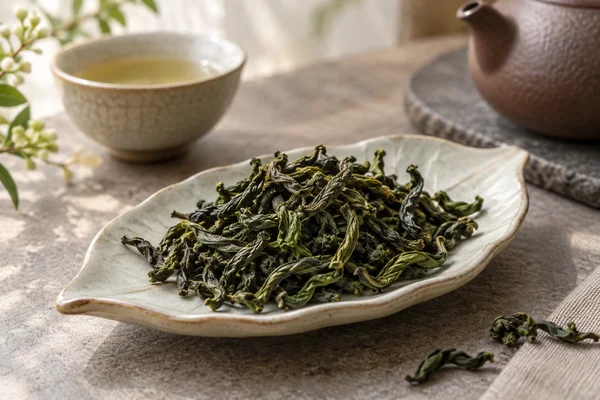
Baozhong shows the lighter side of oolong, with loosely twisted leaves and fragrance that can feel close to green tea.
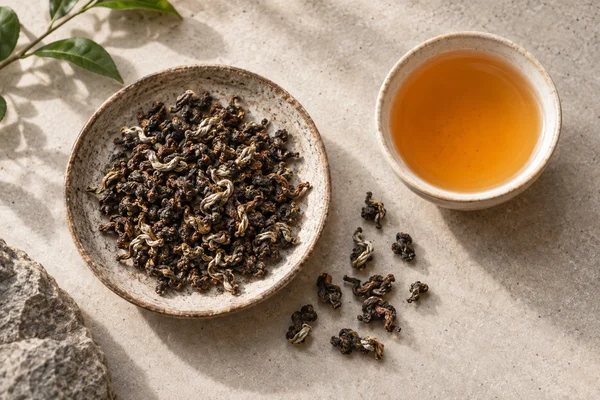
The mixed colours of Oriental Beauty belong to a distinctive Taiwanese oolong. Honey-like aroma does not mean added honey.
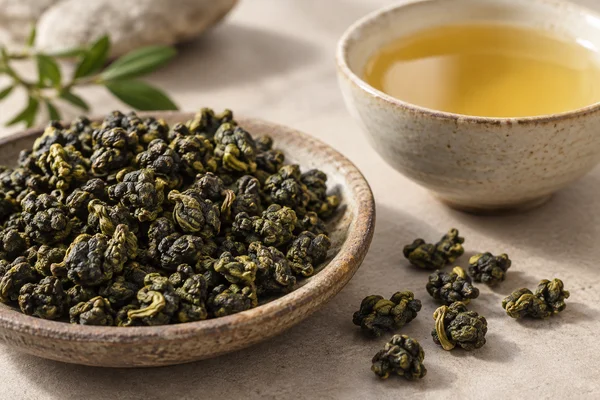
Jin Xuan can have a naturally creamy impression. Milk oolong on a label still deserves an ingredient check.
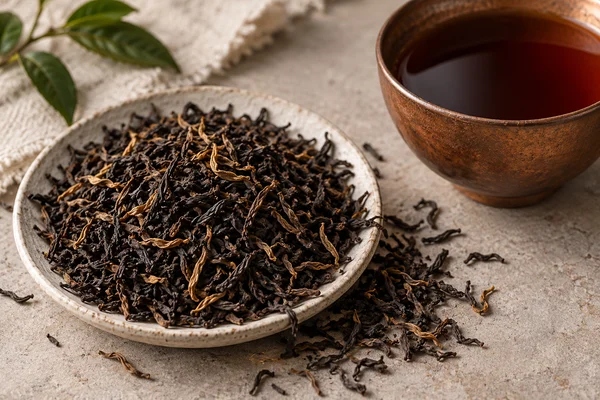
Malt is a useful clue to Assam, provided it does not become a rule for every tea from this large region.
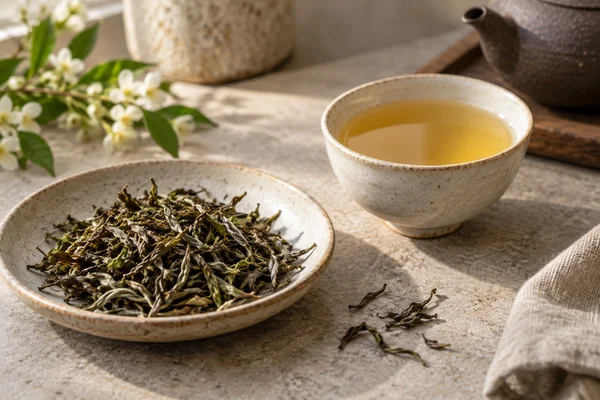
Pale liquor and greenish leaves do not disqualify a first flush Darjeeling from being a black tea.
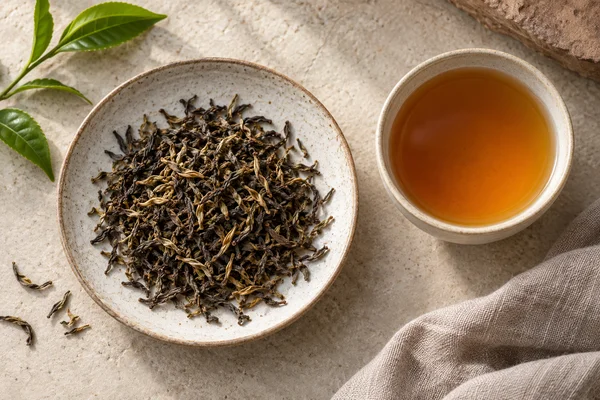
Muscatel describes a grape-like impression, not added wine and not a promise made by every summer harvest.
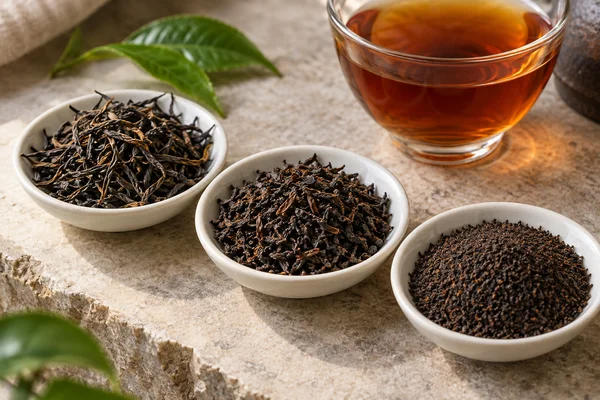
Sri Lanka's black teas range from delicate and fragrant to dark and substantial; Ceylon does not name one blend.
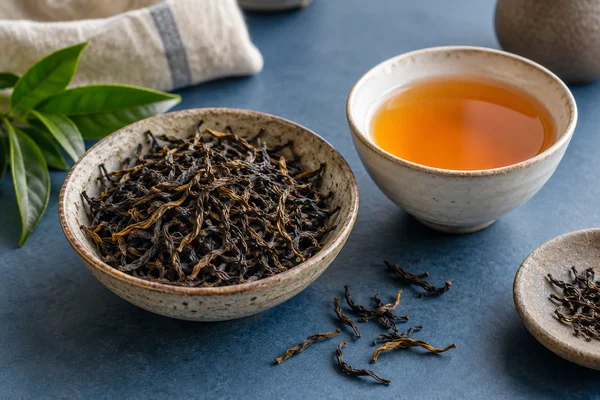
Nilgiri belongs to southern India and often offers a fragrant, bright alternative to a heavy black-tea profile.
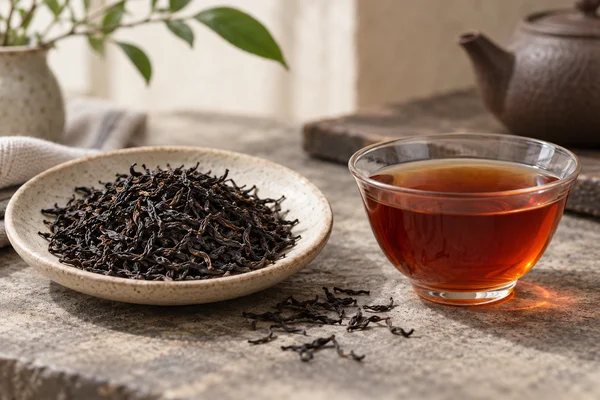
Keemun's fine dark leaf can give a quietly fragrant cup rather than the forceful strength its colour suggests.
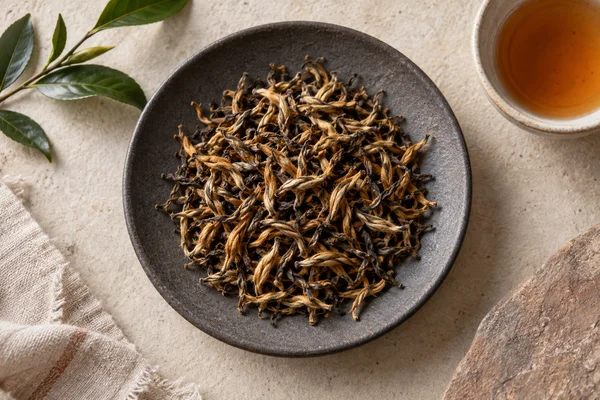
Golden buds make Dian Hong visually distinctive, but their colour is only the beginning of the description.
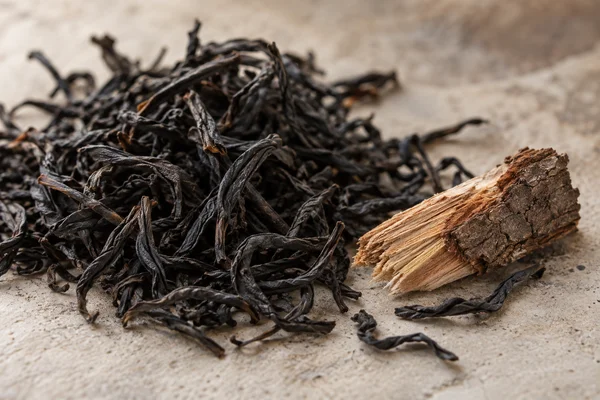
The name Lapsang Souchong covers smoked and unsmoked expressions, so the smoke level needs its own description.
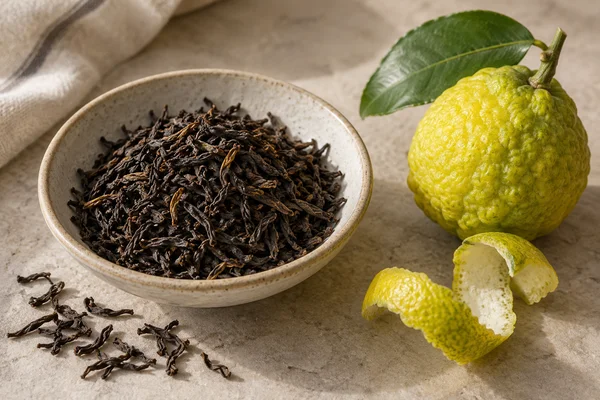
Bergamot gives Earl Grey its recognisable citrus fragrance, while the tea beneath it still shapes the cup.
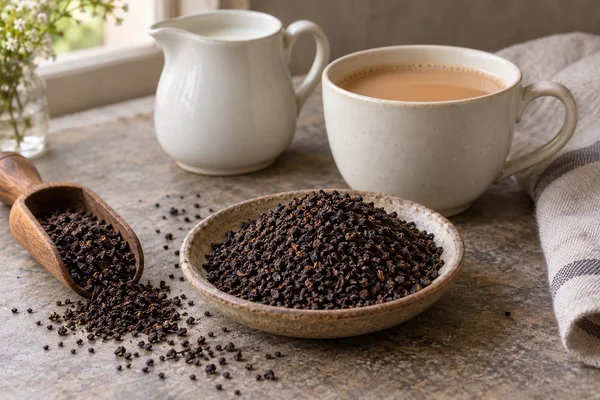
Breakfast blends combine black teas to achieve a dependable cup, but the name does not prescribe one recipe.
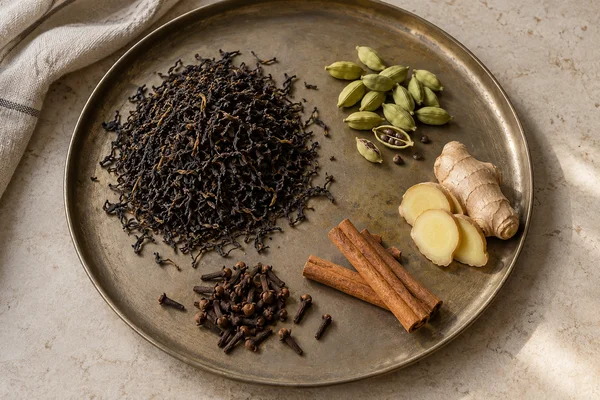
Tea supplies the backbone of masala chai; the spices create several separate layers of aroma.
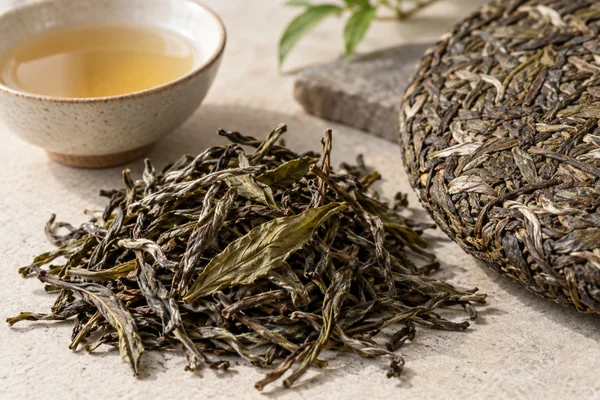
Young sheng can be bright and forceful. It should not be judged against the dark profile of pile-fermented shou.
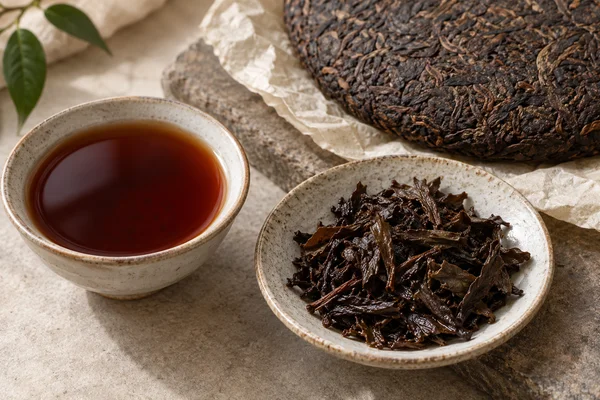
Shou's dark colour comes with a distinct processing history. Earthy can be inviting, but it should not excuse every off smell.
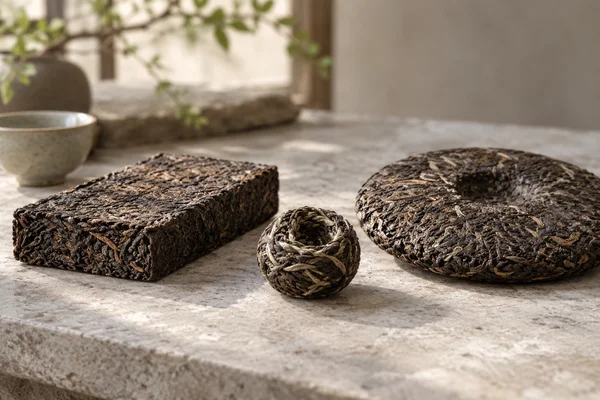
Cakes, bricks and nests tell you how tea is formed. They do not identify its processing category by themselves.
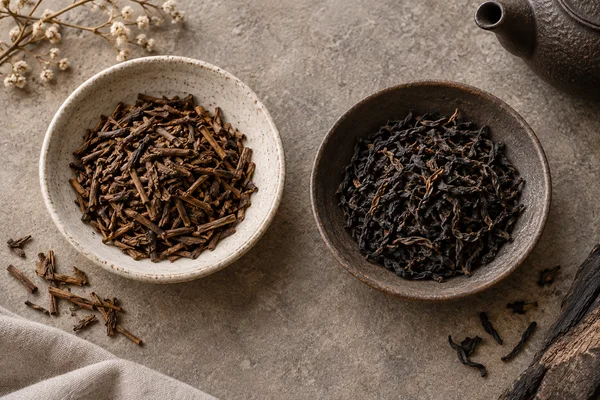
Toasted warmth and smoke can overlap in everyday language, but they describe different influences on a tea.