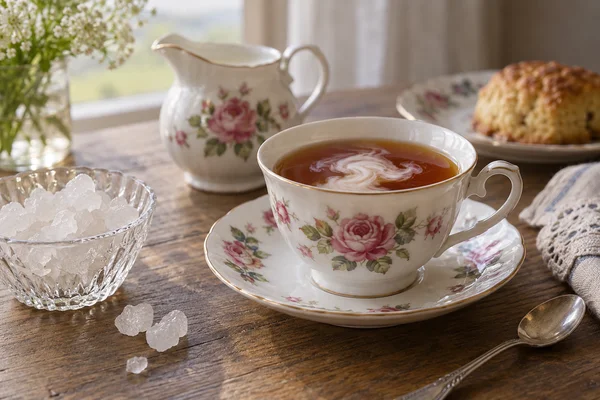
Around the tea table
An invitation to East Frisian Teetied
An East Frisian tea table offers a sequence to notice, but your host is a better guide than a memorised etiquette script.
Local traditions, shared tables and the many ways tea fits into a day.
An East Frisian tea table offers a sequence to notice, but your host is a better guide than a memorised etiquette script.
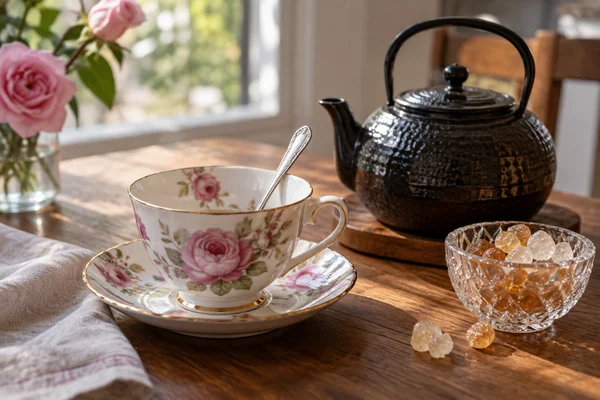
In a traditional East Frisian tea round, a spoon can communicate that you have had enough. Ask the host rather than guessing silently.
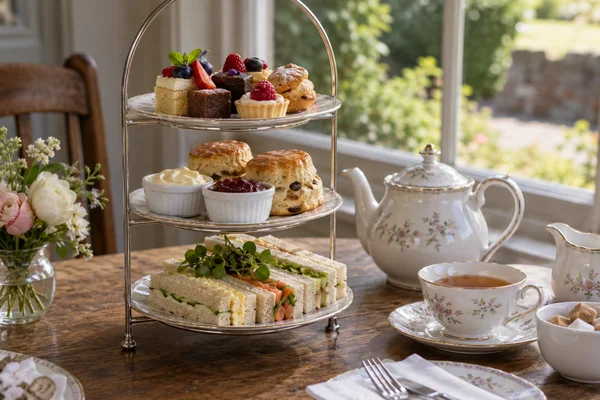
Afternoon tea is a food-and-tea occasion whose details depend on the venue. Read the menu before imagining a fixed ritual.
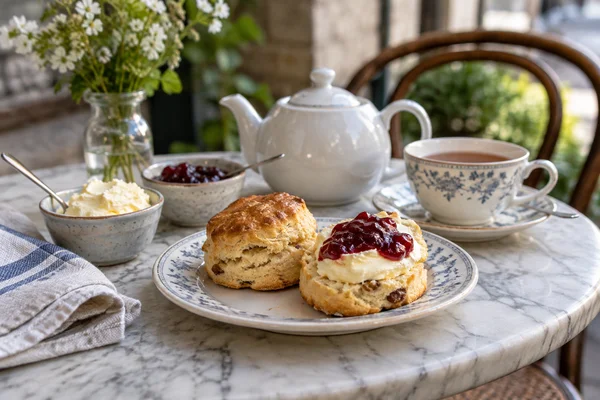
Cream tea usually centres on tea and scones with cream and jam. Afternoon tea is commonly a broader food selection.
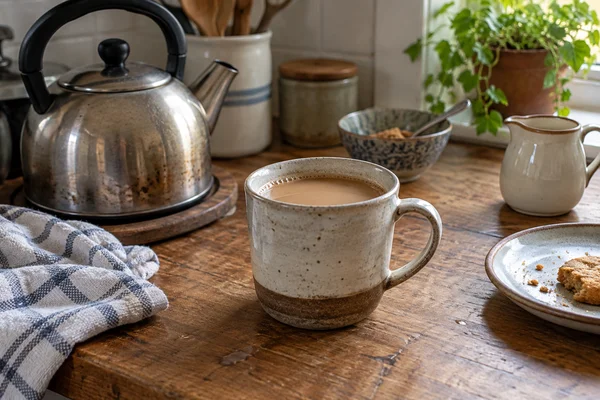
The everyday cuppa is shaped by personal habits, work breaks, and familiar mugs. It should not be confused with formal afternoon tea.
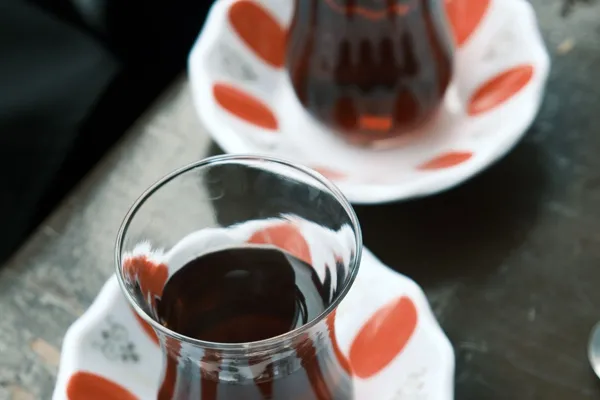
A small curved glass makes the colour of Turkish tea part of the table. It also changes the pace of drinking and refilling.
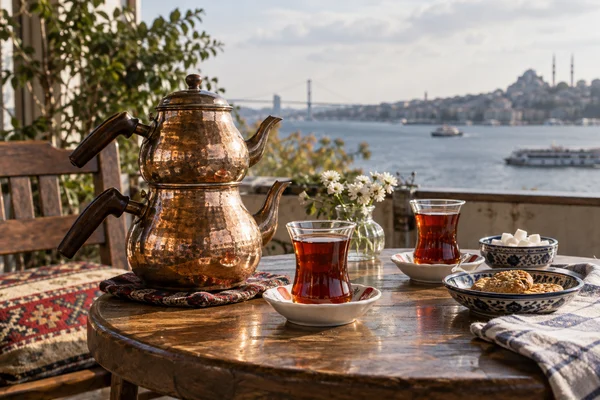
The stacked tea pot can help a Turkish tea table keep going. Notice how the host manages the round rather than treating the equipment as decoration.
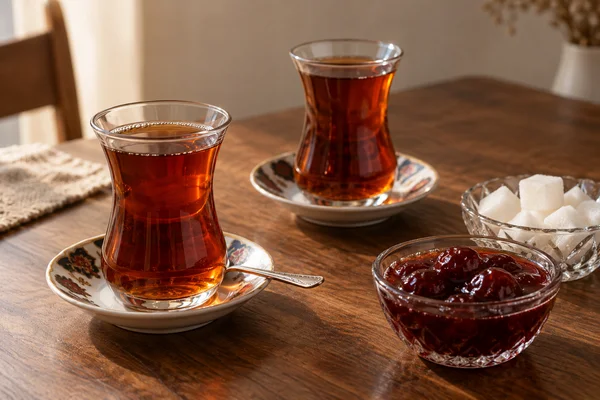
In an Azerbaijani tea setting, the glass and its accompaniments invite attention. Let the host explain how this particular table works.
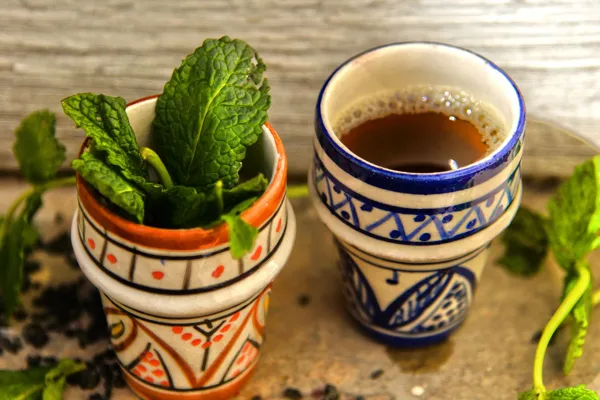
Moroccan mint tea can frame a welcome and a conversation. Notice the host’s pace and the tea itself, not only the height of the pour.
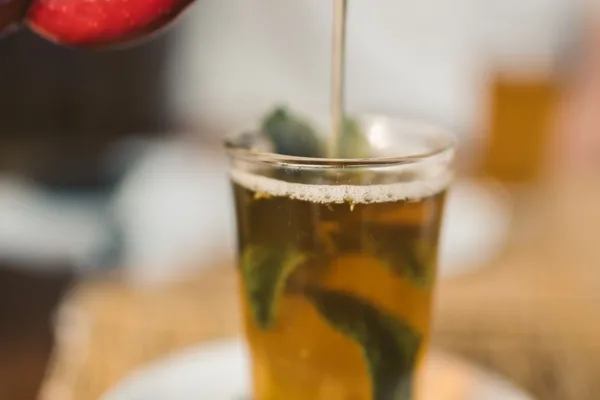
The sweetness of mint tea is worth discussing before a shared pot is made. Asking politely is more useful than guessing from its colour.
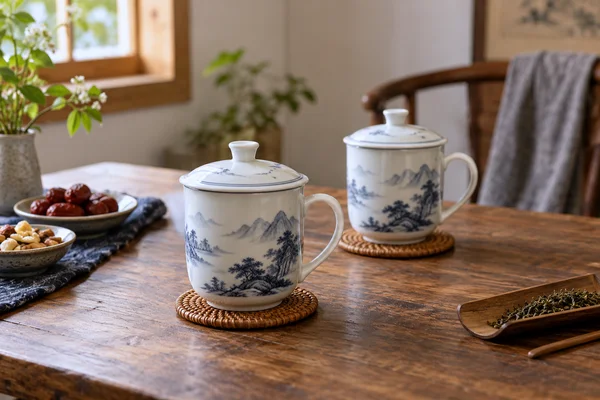
Tea can be an ordinary welcome in China as well as part of a formal occasion. The setting tells you how to join in.
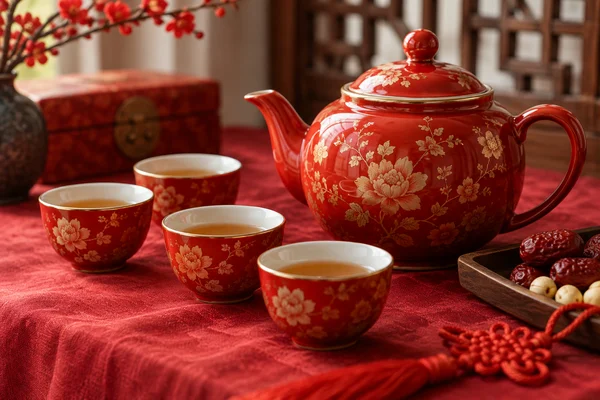
A wedding tea gathering belongs to the family arranging it. Learn your role from them instead of applying a generic checklist.
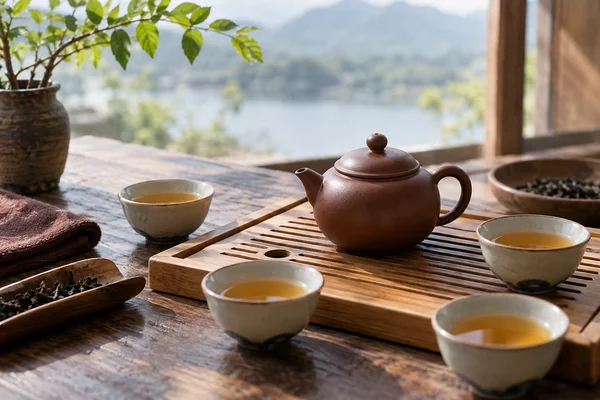
Small repeated servings make gongfu tea a shared sequence. As a guest, curiosity and attention matter more than collecting gestures.
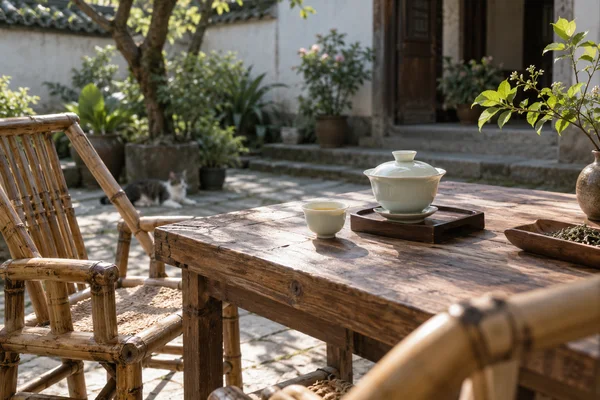
A Chengdu teahouse may be a place for conversation, a quiet seat, or a performance. Find out what this venue offers before settling in.
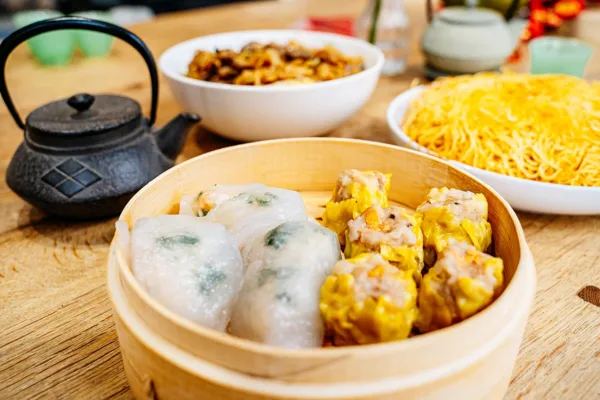
At yum cha, tea is part of a meal shared over small dishes. Choose it with the table rather than treating it as an afterthought.
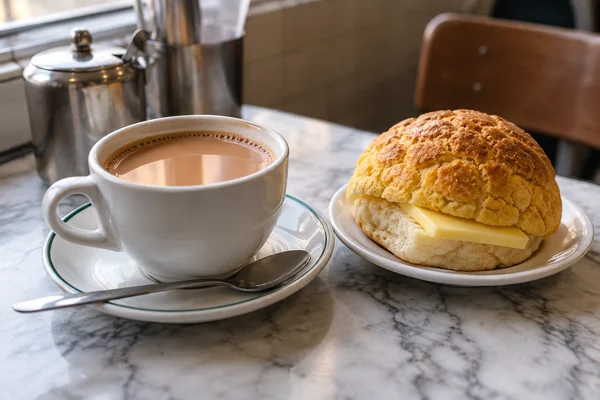
Hong Kong milk tea makes more sense alongside the café, the menu, and the craft behind its strong, smooth cup.
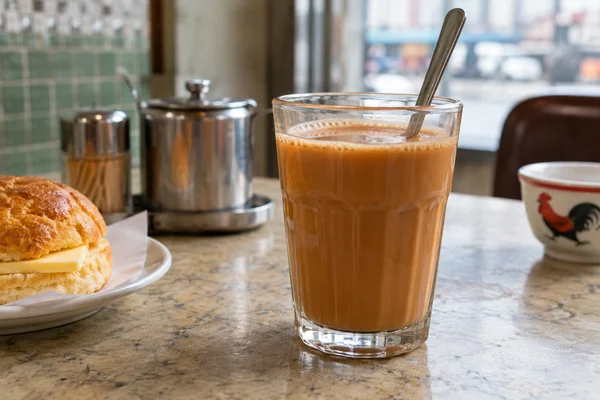
Yuen yeung combines coffee and tea. Ordering it thoughtfully lets you notice the balance without expecting one fixed recipe.
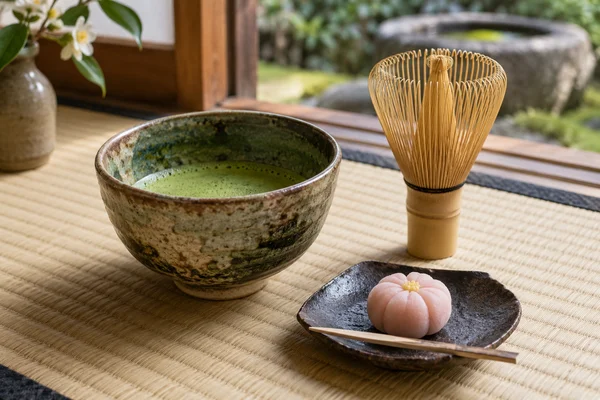
A first tea gathering is easier when you know the format, the seating, and how much guidance is included.
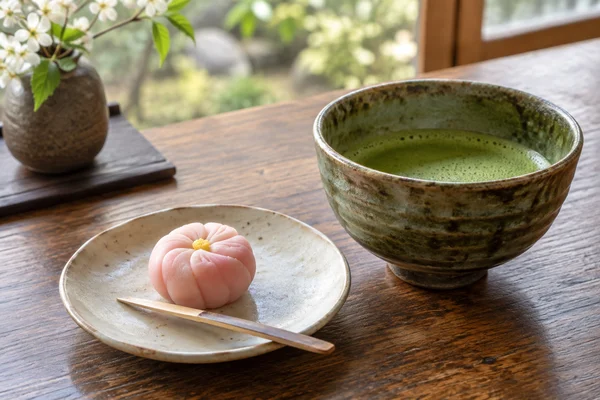
A sweet served with matcha is part of the sequence and the sensory contrast, not merely decoration beside the bowl.
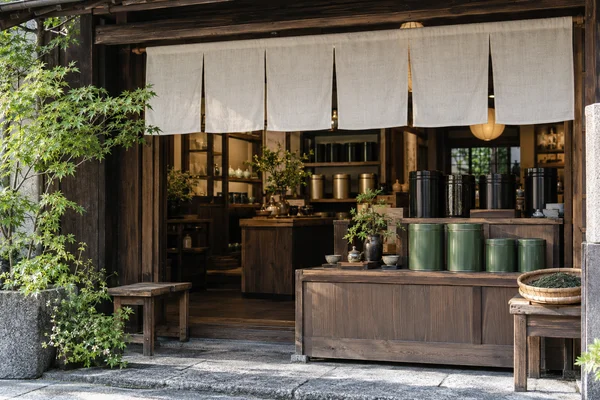
A visit to Uji can connect tea shops, landscapes, and everyday food instead of becoming a race between matcha desserts.
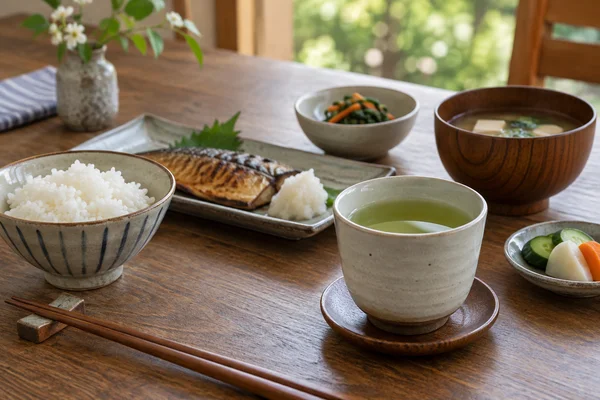
A tea shop shelf, an ordinary meal, and a ready-to-drink bottle show parts of Japanese tea that a formal gathering cannot cover alone.
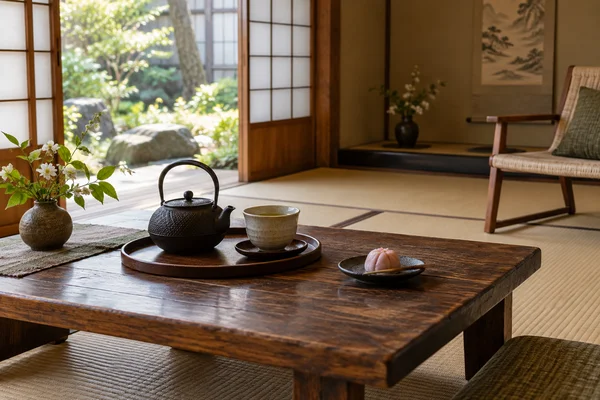
A few precise booking questions can make a tea experience fit your mobility, language, and food needs.
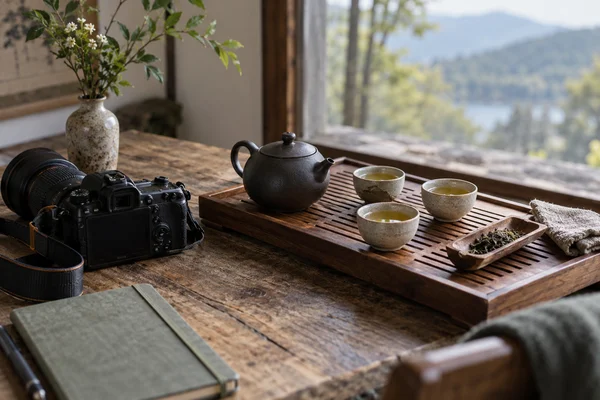
A few considered photographs can preserve a tea visit without turning the table or the people working there into a photo set.
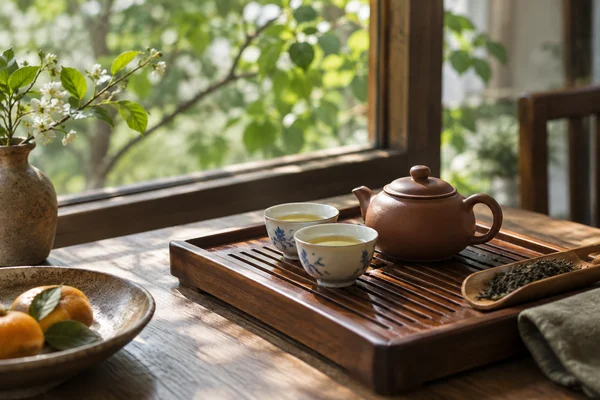
A Taiwanese tea house visit rewards an unhurried order, a clear understanding of the service, and attention to the tea being offered.
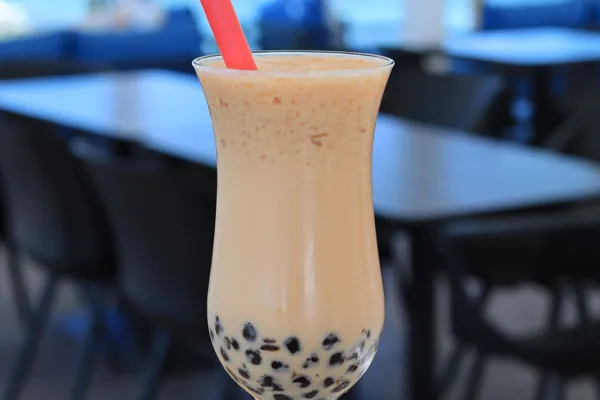
Start with the drink base, then consider sweetness, ice, and toppings. A shorter order can be easier to understand and enjoy.

A chai stall is a place of work and short pauses. Paying attention to the order and the people makes the visit more rewarding.
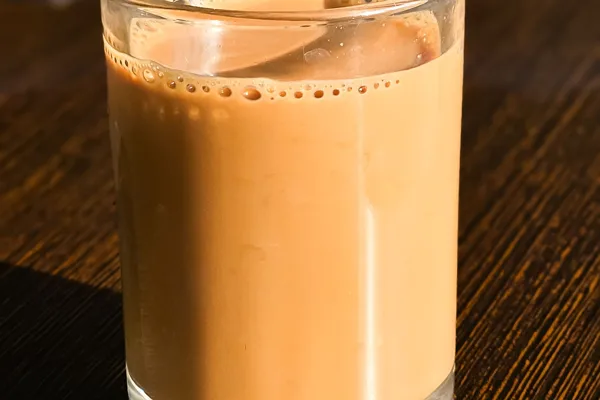
Different spice balances can all make sense in masala chai. Learn what a particular household or maker values before looking for a universal formula.
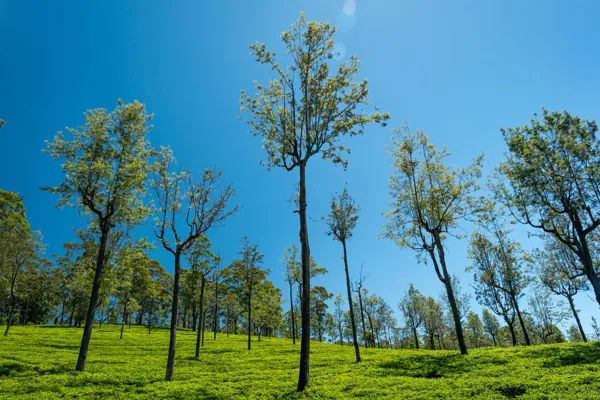
A tea estate visit becomes richer when the landscape is connected to production, people, and the particular tea offered at the end.
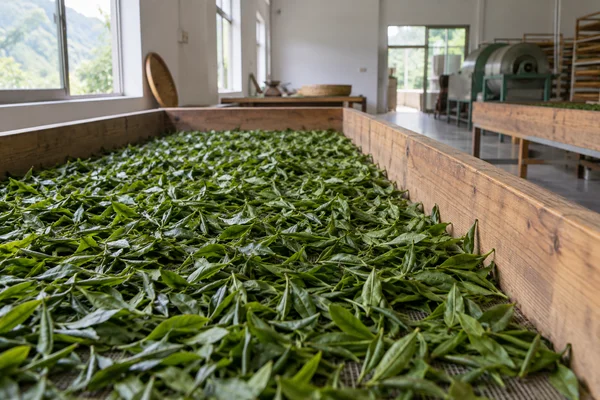
A handful of precise questions can turn a factory tour from a sequence of machines into an understandable story of a tea.
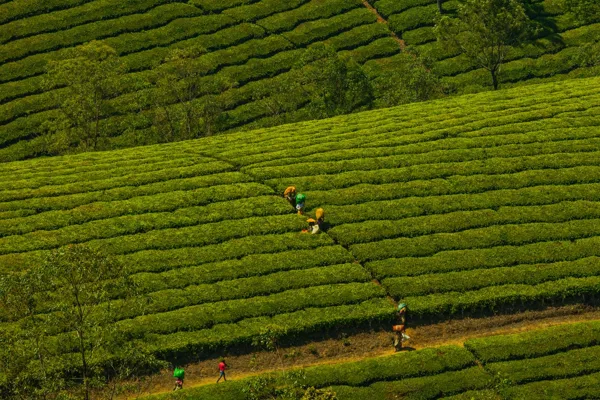
Tea scenery is made and maintained by people. A more complete account notices their work without pretending a short visit reveals every condition.
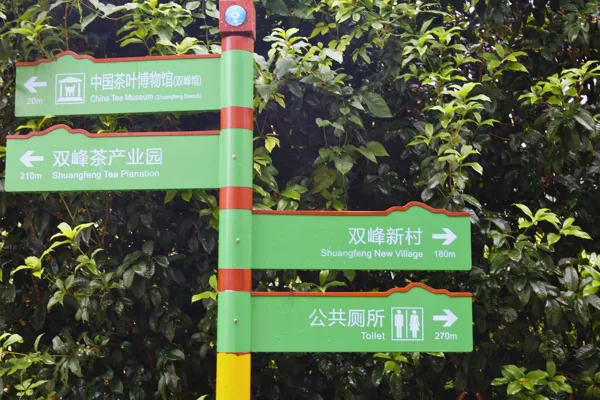
A tea museum is easier to remember when you follow a few objects and the questions they raise, rather than trying to absorb every label.
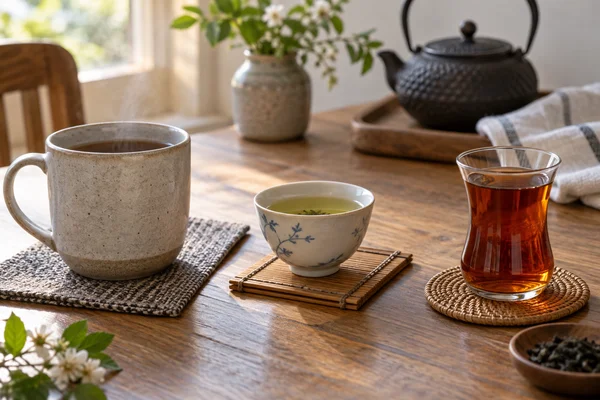
A national label is a starting point, not a complete description. Place, occasion, household, and generation all deserve room in a tea story.
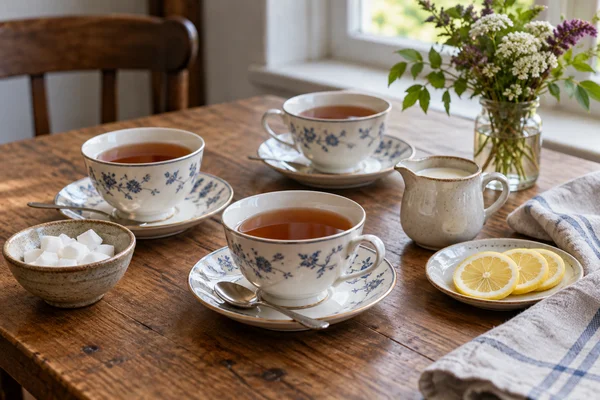
Two clear choices, comfortable cups, and an easy way to decline usually matter more than an impressive tea collection.
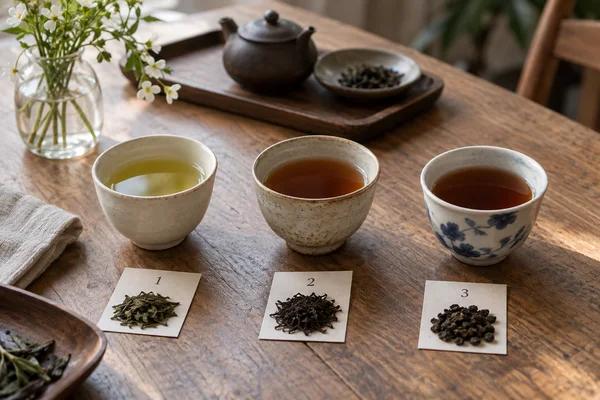
Keep a friendly tasting small, give everyone room for their own words, and let conversation matter as much as comparison.
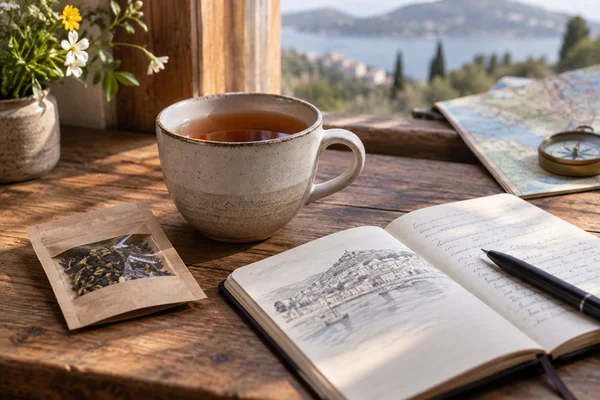
A small, clearly identified packet can preserve a travel memory better than a dramatic story attached to a tea you cannot name.