A country's tea habits are not one fixed ritual
A national label is a starting point, not a complete description. Place, occasion, household, and generation all deserve room in a tea story.
Replace the country-sized statement
Sentences that begin with everyone in a country drinks tea this way are easy to write and difficult to defend. A country contains different regions, households, businesses, and occasions. Even a widely recognised tradition does not describe every cup. A more useful sentence names the setting: at this family gathering, in this café, or during this visitor demonstration. That smaller scale gives readers something they can understand without turning one experience into a rule for millions of people.
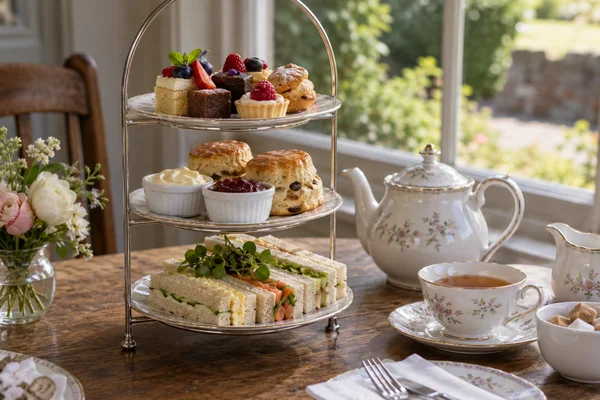
This matters especially when an encounter feels memorable. A formal service may be carefully explained and beautifully arranged, making it tempting to treat it as the national norm. Yet the same person who hosts that occasion may drink something much simpler on a busy morning. The difference is not a contradiction. Special events and ordinary routines answer different needs, just as they do in your own life.
Make room for change
Tea habits can move between generations, businesses, and places. A packaged drink, a café adaptation, or a new serving format does not automatically erase older practices. Nor does age alone settle which version a person should prefer. When discussing change, describe what has changed and whose perspective you are using. A producer explaining a product, a grandparent recalling a household, and a museum describing an object are offering different kinds of evidence.
Questions can keep those distinctions clear. Instead of asking how people here always drink tea, ask how this household usually serves it or what this shop's customers tend to order. The answer may be modest and practical. Convenience, price, taste, and the time available can matter alongside custom. Those everyday reasons often make a tea story more human than an account that assigns a deep symbolic meaning to every spoon and cup.
Keep useful traditions without flattening them
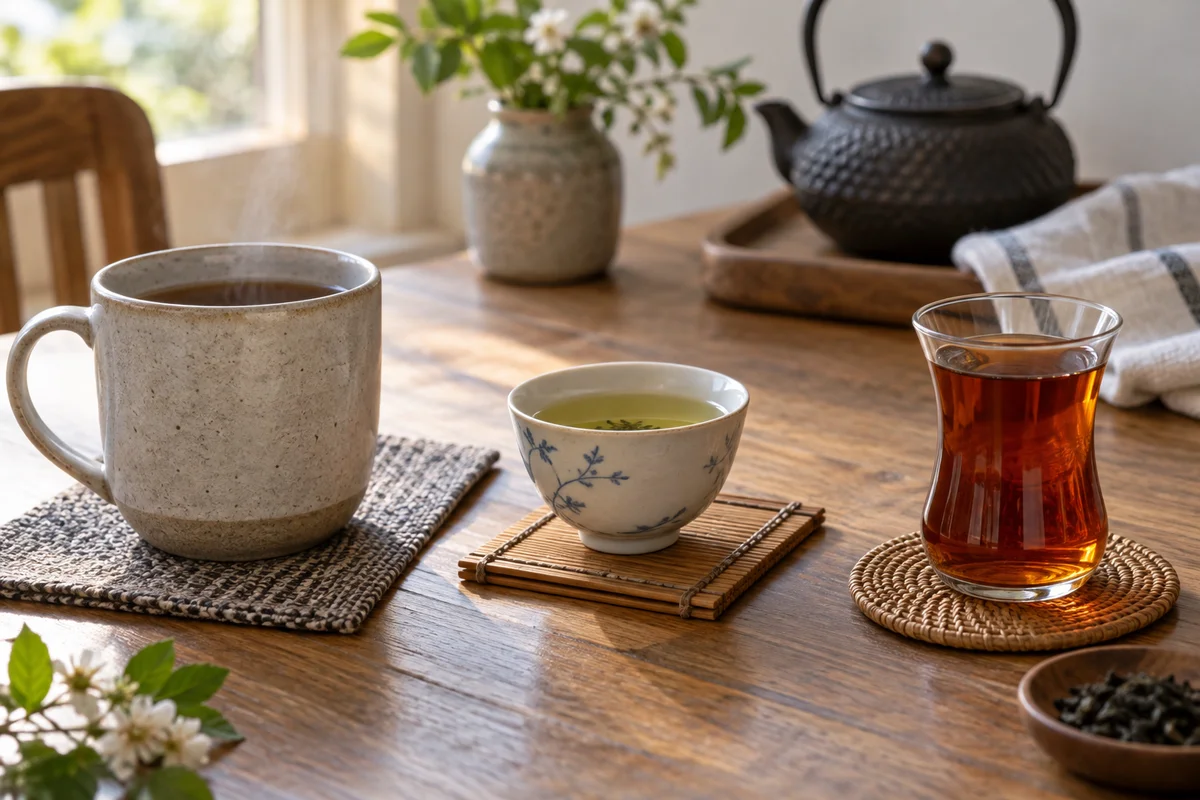
You can still explain a recognised practice, including one documented by a museum or UNESCO. Name its community and context, and distinguish the documented description from your own visit. Leave room for people who practise it differently or not at all. A careful account is not less vivid. It becomes vivid through precise details: the particular glass, the words of an explanation, the food beside the tea, and the occasion that brought people together. Specificity lets tradition remain connected to living people.