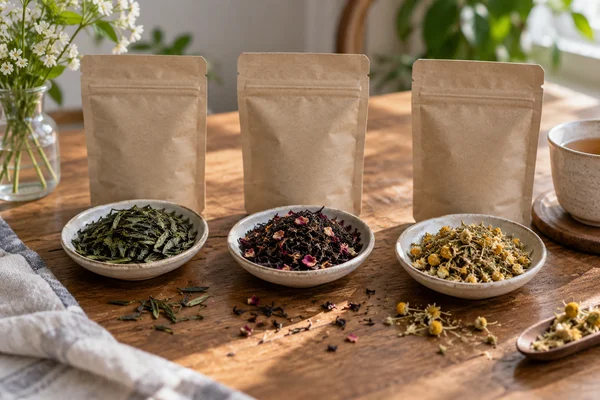
Choose & keep
Buy a small packet before a large tin
A small packet gives you room to learn what you like before a generous tin becomes a cupboard obligation.
Make sense of labels, find your preferences and keep good tea in good condition.
A small packet gives you room to learn what you like before a generous tin becomes a cupboard obligation.
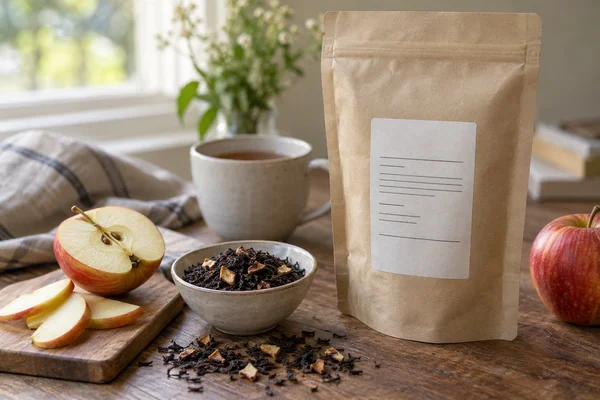
A name such as peach garden tells you a mood. The ingredient list tells you what is in the packet.
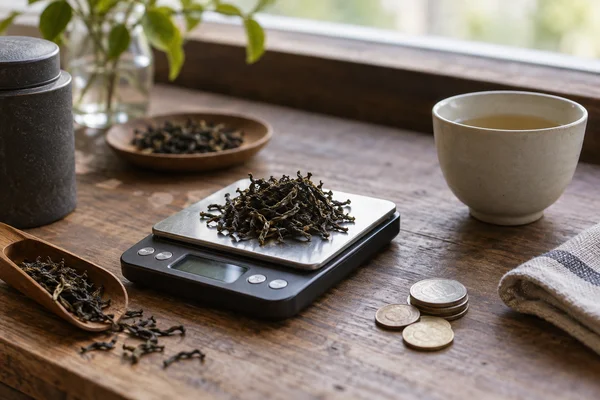
Price per packet is easy to see. Price per cup depends on how much leaf you use and what you actually finish.
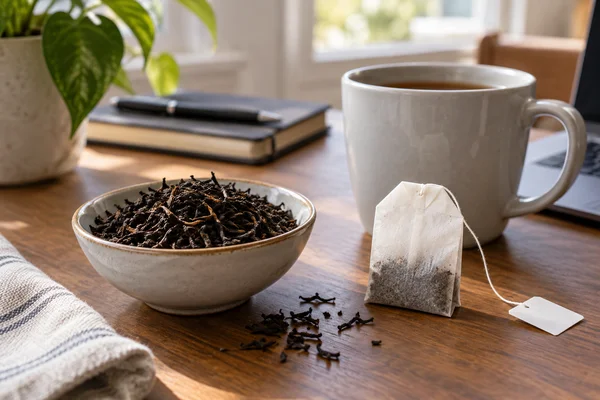
Choose a format around the way you drink tea, rather than treating a bag or an open leaf as a verdict on quality.
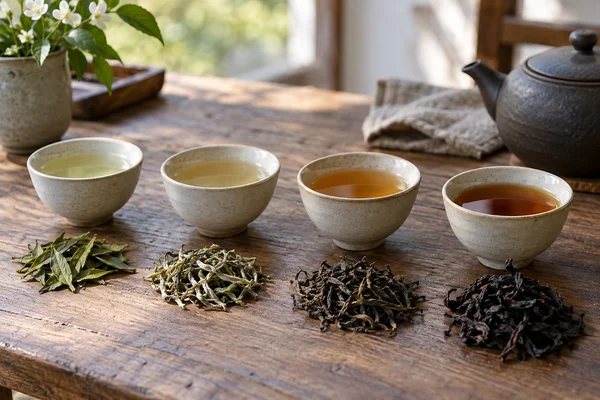
A useful sample set answers a question. Start with a few deliberate contrasts instead of collecting every unfamiliar name.
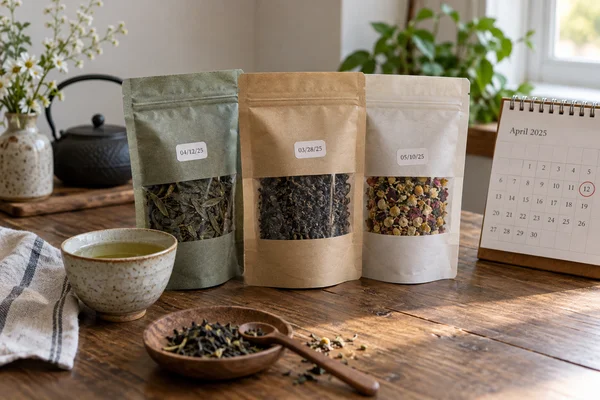
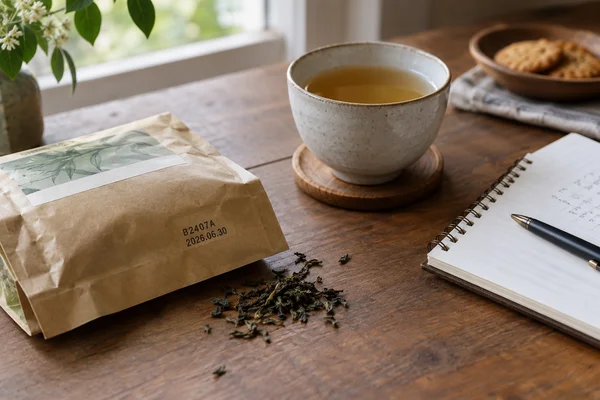
Harvest, packing, and best-before dates describe different stages. Read the words beside the number before drawing conclusions.
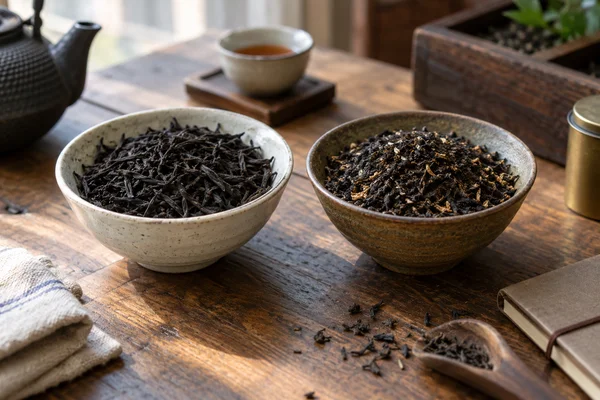
A named origin offers a particular reference point. A blend may aim for a dependable flavour across changing harvests.
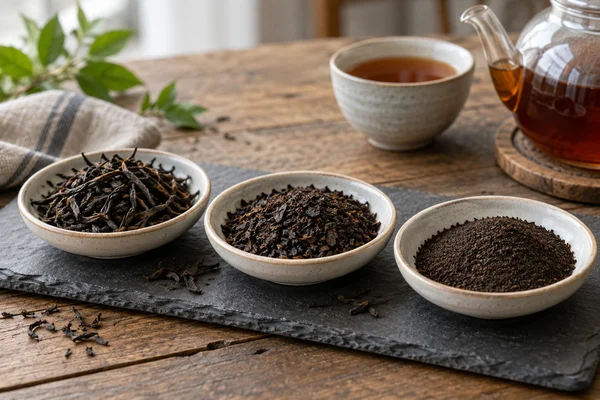
Leaf-grade abbreviations can describe the form of a tea. They are not a universal scoreboard for how much you will enjoy it.
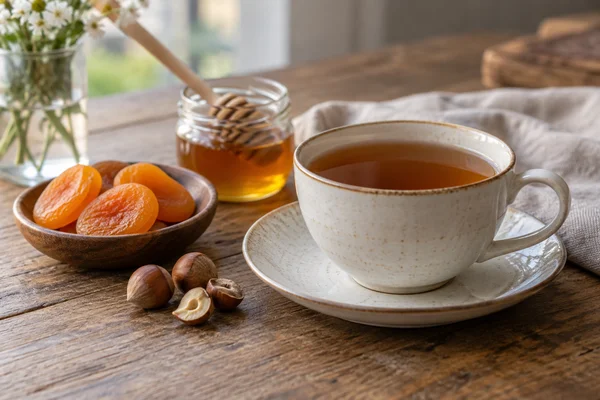
Use flavour words as directions, then translate them into comparisons that mean something to you.
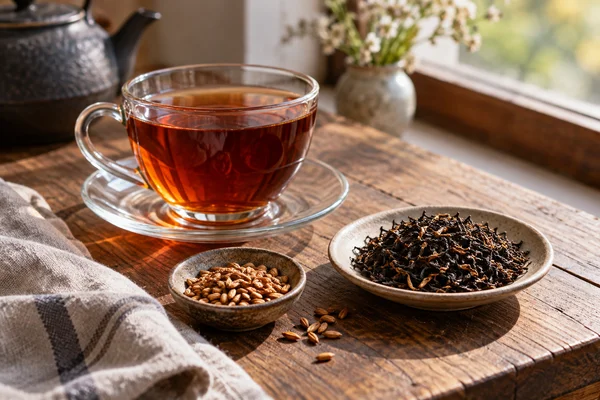
Malty can mean a warm, grain-like depth rather than sweetness. Find out which part of that character you actually enjoy.
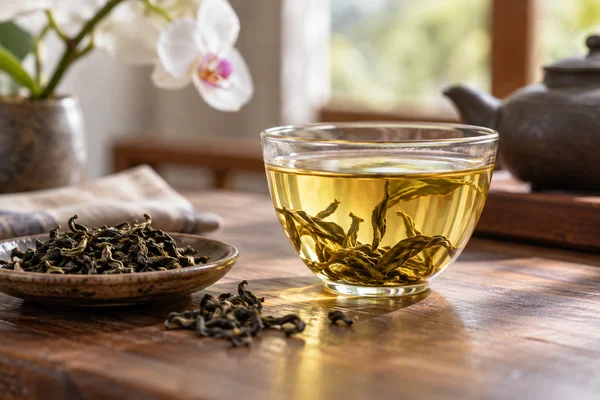
A floral cup can come from the leaf itself, flower scenting, or added flavouring. These are different routes to a fragrant drink.
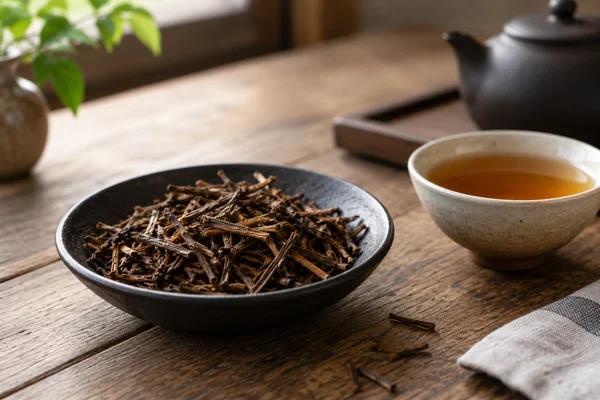
Roasted does not have to mean smoky. Begin with the warmth you enjoy, then decide how far into darker flavours you want to go.
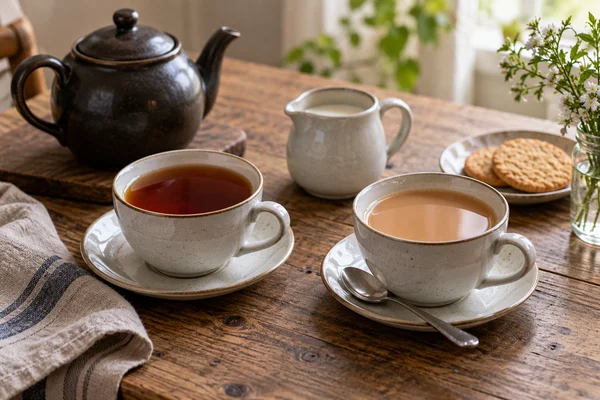
The right tea for milk is one whose character you still enjoy after your usual addition. Strength alone is not the whole answer.
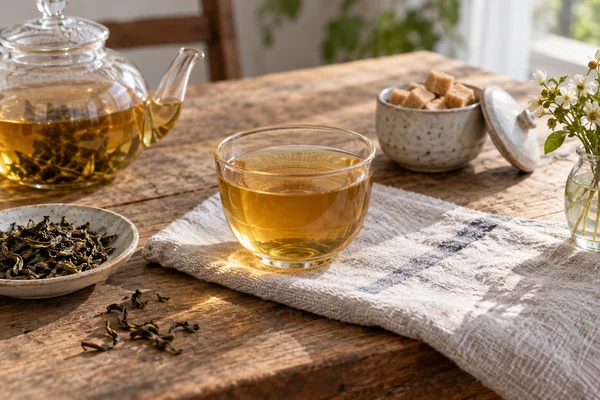
Find an unsweetened cup by following flavour and texture you enjoy, rather than expecting every tea to taste naturally sugary.
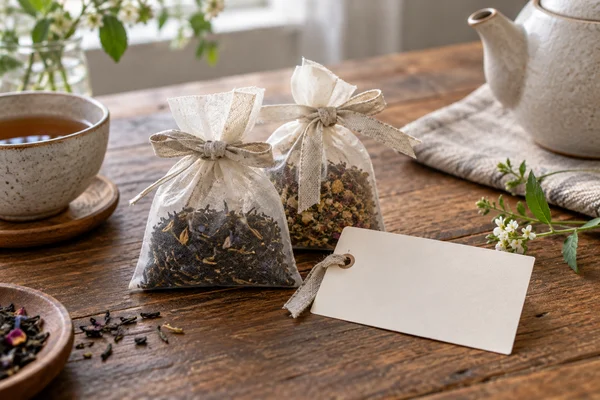
A thoughtful tea gift fits the recipient’s habits. Two well-chosen small packets often say more than a huge assortment.
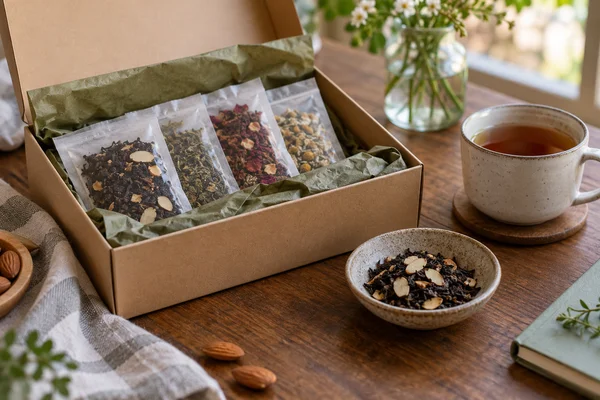
Keep ingredients and allergen information with a tea gift. A plain-looking blend can contain more than its name suggests.
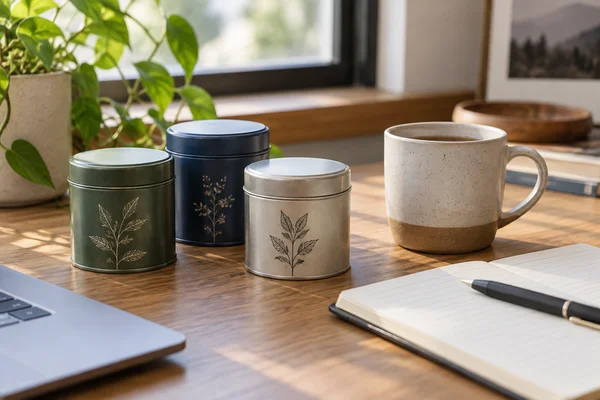
A small office selection works best when it matches the shared kitchen, storage space, and people who will actually use it.
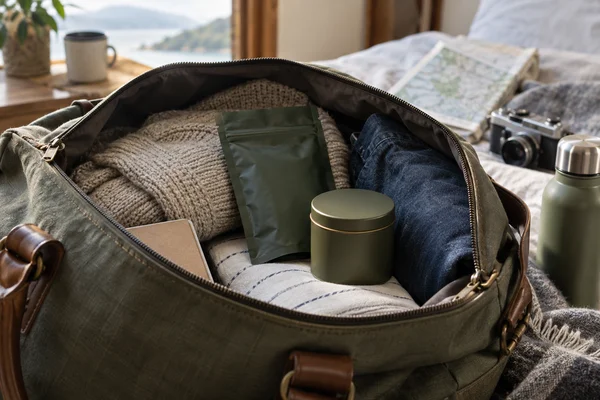
Pack only the dry tea you expect to use, keep its identity with it, and protect it from heat, moisture, and strong smells.
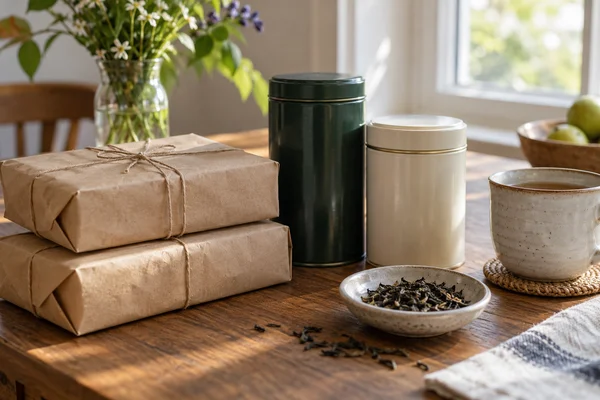
A subscription is useful when its pace, quantities, and choices fit your drinking. Surprise alone is not enough.
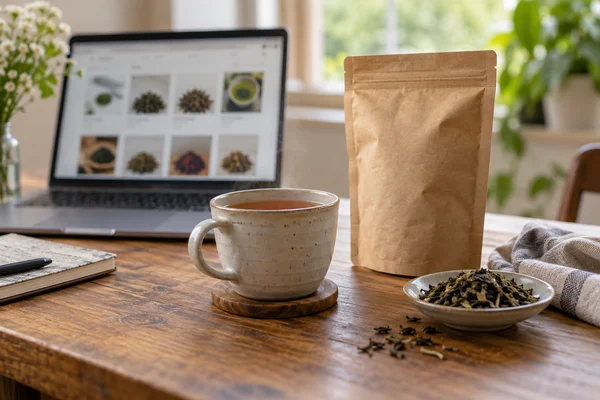
A useful listing lets you identify the tea, understand the ingredients, and judge the quantity without guessing from a photograph.
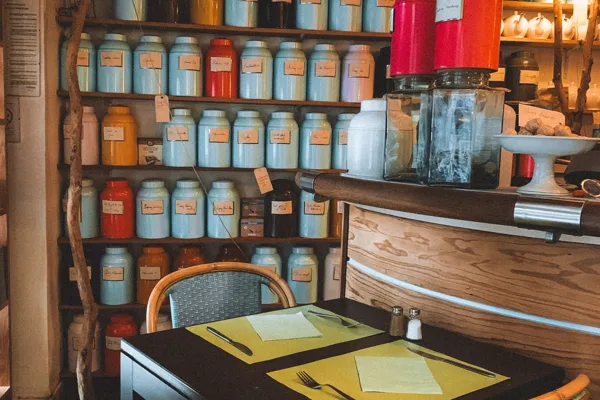
A good conversation in a tea shop starts with your habits and ends with a clearly identified packet you know how to use.
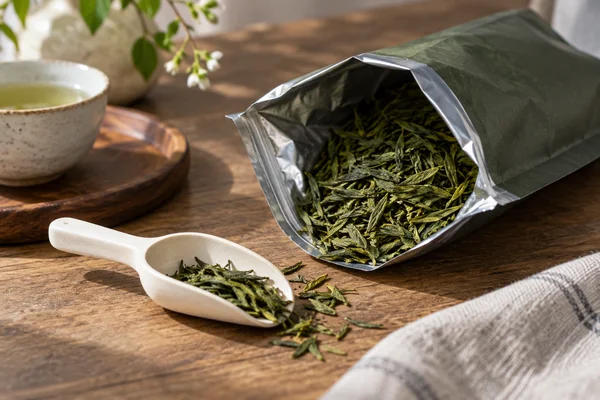
A fading aroma is different from dampness or an unfamiliar musty smell. Use the whole packet’s condition, not one dramatic sniff.
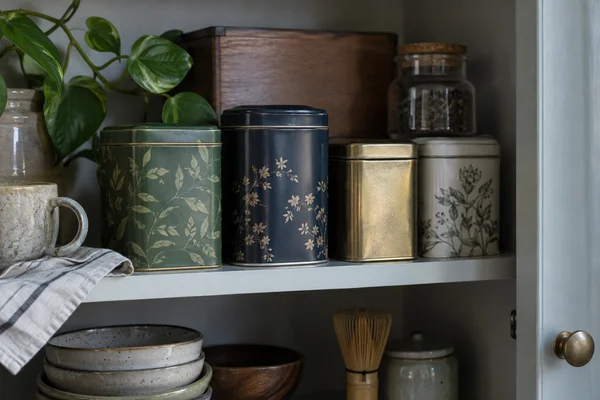
The best container cannot fully compensate for a damp, hot, or strongly scented spot. Choose the location first.
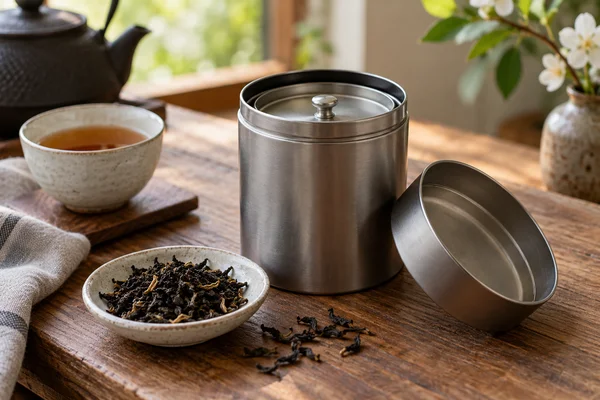
Before choosing a tea tin by colour or shape, check the lid, the interior, and whether the size suits the amount you will store.
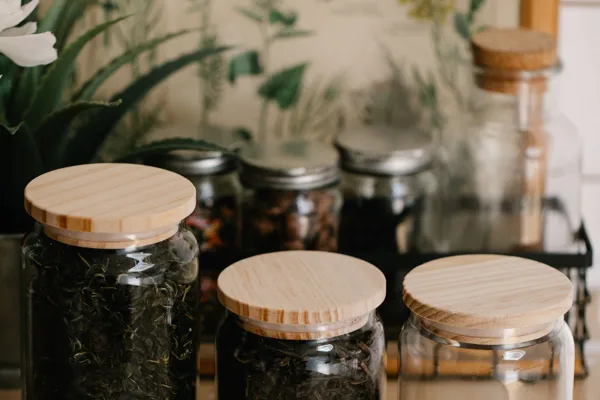
Glass can be a useful tea container when it closes well and stays in the dark. A sunny display shelf changes the equation.
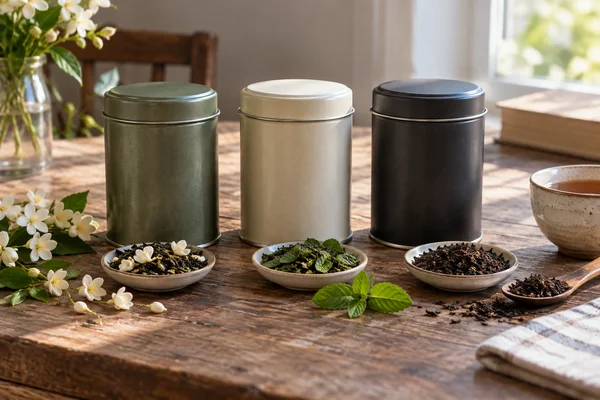
An orderly tea cupboard should separate aromas as well as packets. Strongly scented blends deserve their own closed space.
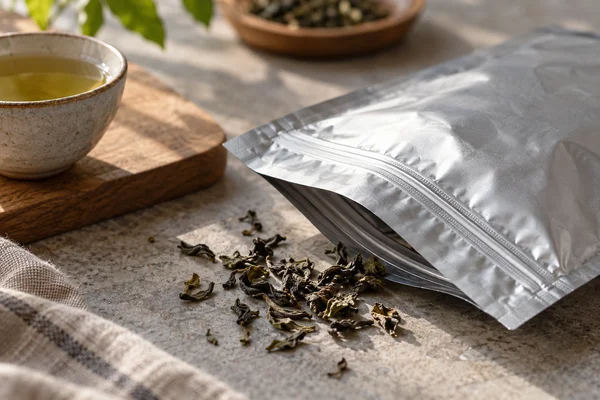
A zip pouch protects tea only when the channel is clean and fully closed. A quick pinch in the middle is not always enough.
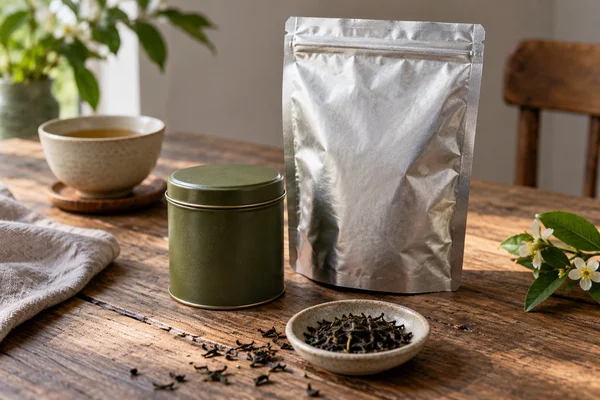
Separating a working portion from a reserve can make a large purchase easier to manage, provided both remain dry and identifiable.
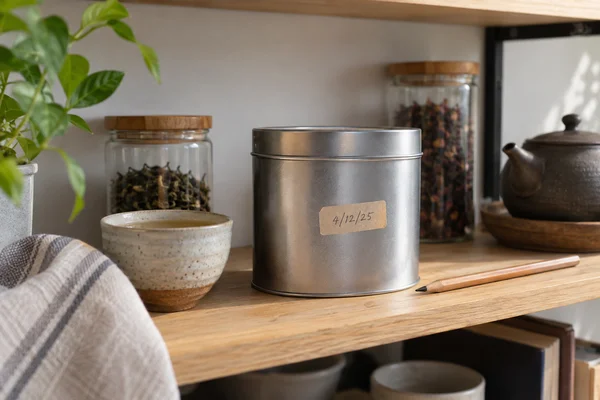
A small date on a packet can explain more than a perfectly arranged shelf. Record when you opened it, not a guessed deadline.
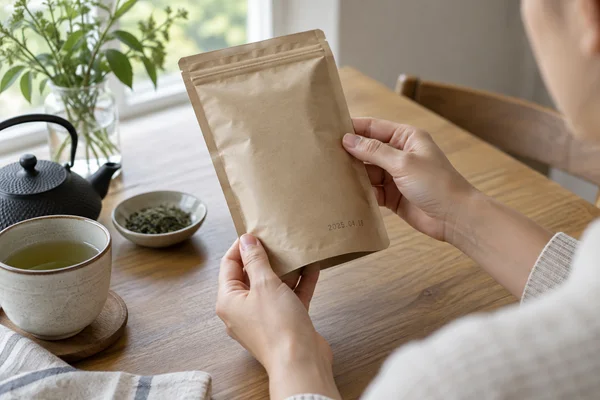
A best-before date concerns expected quality under stated conditions. Look at the product and its history rather than treating the date as the only fact.
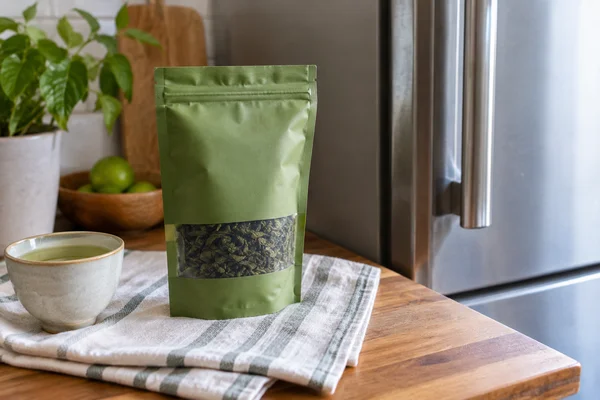
Cold storage can create a moisture problem when a packet is opened too soon. Follow the tea maker’s guidance and let sealed packets acclimatise.
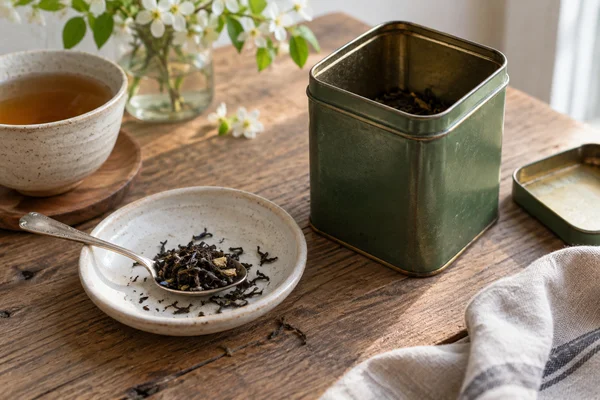
A nearly empty packet deserves a clear decision. Use a small remaining portion on its own before turning the cupboard into an accidental blend.
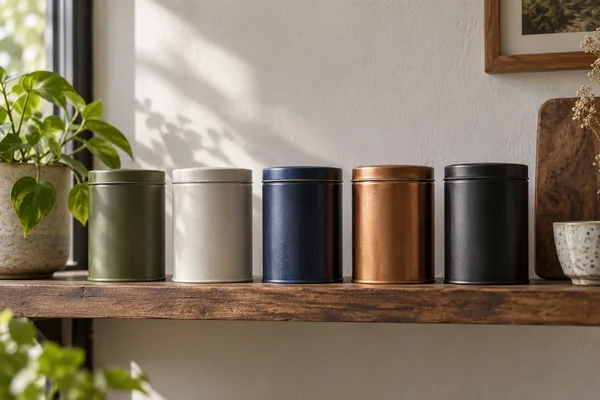
A satisfying tea shelf has room for what you drink. Count open packets before another interesting offer turns into a backlog.
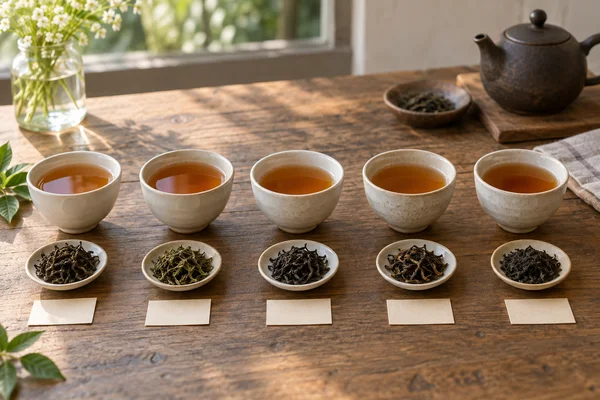
Different names can lead to very similar cups. Compare the job each tea does before adding another packet to the same corner of your shelf.
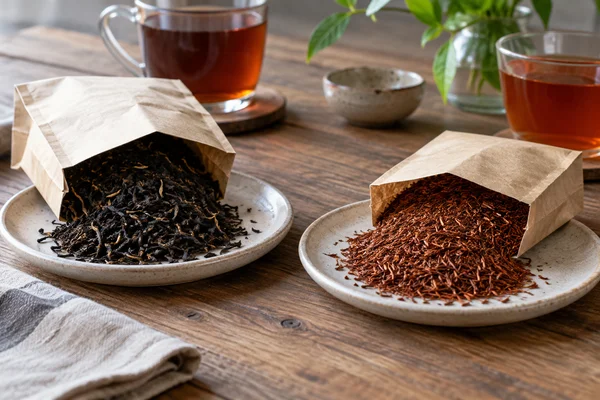
Decaffeinated tea and a naturally caffeine-free infusion answer different questions. Check the base ingredients before relying on a label.
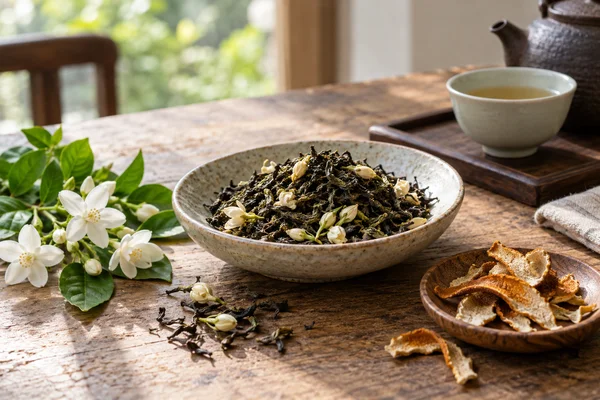
Aromatic tea can reach the cup in several ways. Separate the production description from the flavour words before choosing.
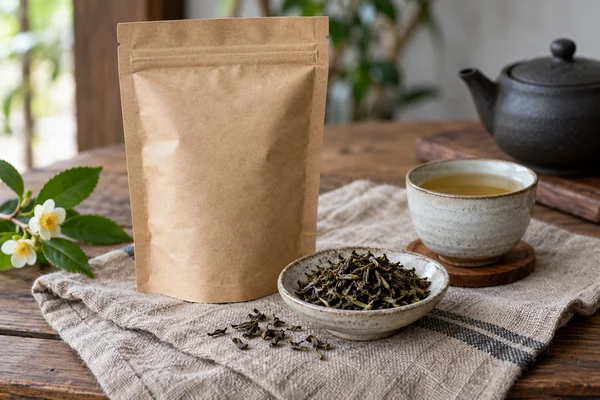
An organic label concerns a certified production system. It does not tell you everything about flavour, origin, or the tea you will prefer.
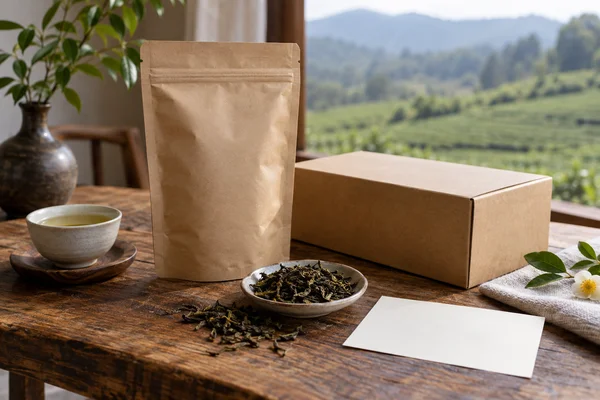
A business address, packing location, and growing origin can all be different. Read each statement for what it actually identifies.
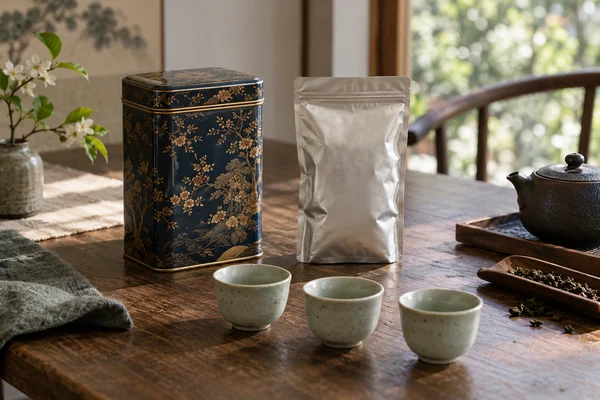
A beautiful tin can be part of the pleasure. Price the tea and the container separately before deciding what is worth buying again.
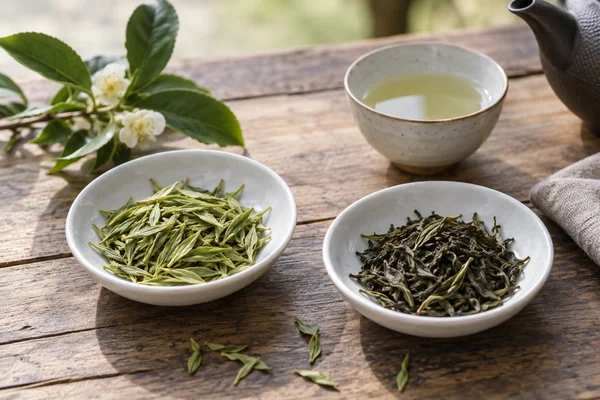
A familiar tea can change with a new harvest. Compare the label and the cup before assuming that either the seller or your kettle is at fault.
A useful message about disappointing tea separates what you observed from what you assume caused it. Keep the packet details.