A new season can change a familiar tea
A familiar tea can change with a new harvest. Compare the label and the cup before assuming that either the seller or your kettle is at fault.
First establish what changed
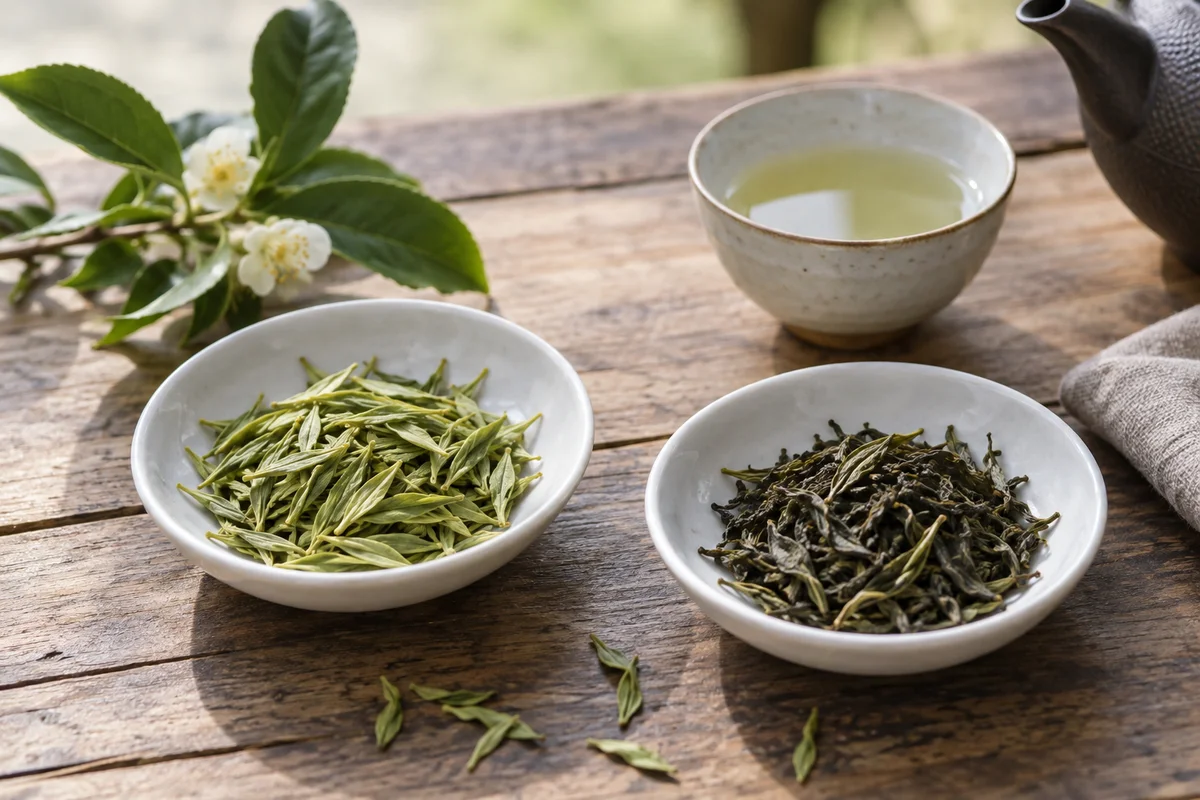
The packet has the same name, but the cup seems brighter, softer, or less familiar. Before deciding that something went wrong, check whether the harvest year, season, lot, or blend information changed. Tea is an agricultural product, and a repeated name does not always identify an identical batch. A seller may aim for consistency or deliberately offer seasonal differences. Understanding which kind of product you bought helps set a fair expectation.
Compare the new packet with your notes or the previous label rather than with a vague memory of the best cup you ever made. Memory tends to preserve the occasion as well as the flavour. A holiday morning and a rushed weekday are not neutral comparison settings. If a little suitable older tea remains, try the two under sensible conditions, while remembering that the older packet has also spent time open and may have changed through storage.
Make a modest adjustment, not a complete rescue
Read the current preparation guidance. The seller may recommend a slightly different starting point for the new lot. Try that before assuming your old routine is the only correct one. Change one practical variable at a time if you continue experimenting, so that the result is understandable. The goal is to discover the new tea's character, not to force it into an exact imitation of a past harvest by making ever more elaborate corrections.
If the change is unwelcome, describe it specifically to the seller. Less floral, more drying, or noticeably different leaf form is more useful than this is not the same tea. Include the lot details and explain your preparation. A clear question can reveal a deliberate seasonal shift, a changed blend, or a genuine issue worth investigating. Do not diagnose poor storage or substitution from flavour alone when you do not have evidence for the cause.
Let loyalty remain flexible
You can enjoy a producer's work without committing to every harvest. Buy a smaller quantity when the new season is unfamiliar, or ask whether a sample is available. Keep a dependable alternative if consistency is important to your daily routine. A seasonal favourite can remain interesting precisely because it changes, but you are allowed to prefer some years or lots to others. The useful habit is paying attention to the actual tea arriving now.