Buy tea that still speaks through milk
The right tea for milk is one whose character you still enjoy after your usual addition. Strength alone is not the whole answer.
Bring the milk into the buying conversation
Tell a seller that you drink tea with milk before asking for a recommendation. A tea chosen for a delicate plain cup may disappear behind your normal splash, while a brisk breakfast blend may have been designed with that addition in mind. Be specific about the drink you make. A little dairy milk, a generous amount of oat drink, and a sweetened vanilla alternative create different conditions. The leaves are only one part of the finished cup.
Body and aroma matter as much as raw intensity. A tea can be very strong yet leave little pleasant flavour once milk softens its edges. Look for a description of the character that remains: malty, rounded, or clearly aromatic, for example. Assam-based breakfast blends are a sensible starting point for many drinkers, but no origin label guarantees your preferred result. A seller who can describe how the tea behaves with milk is offering more useful information than one who simply promises power.
Compare with your ordinary amount
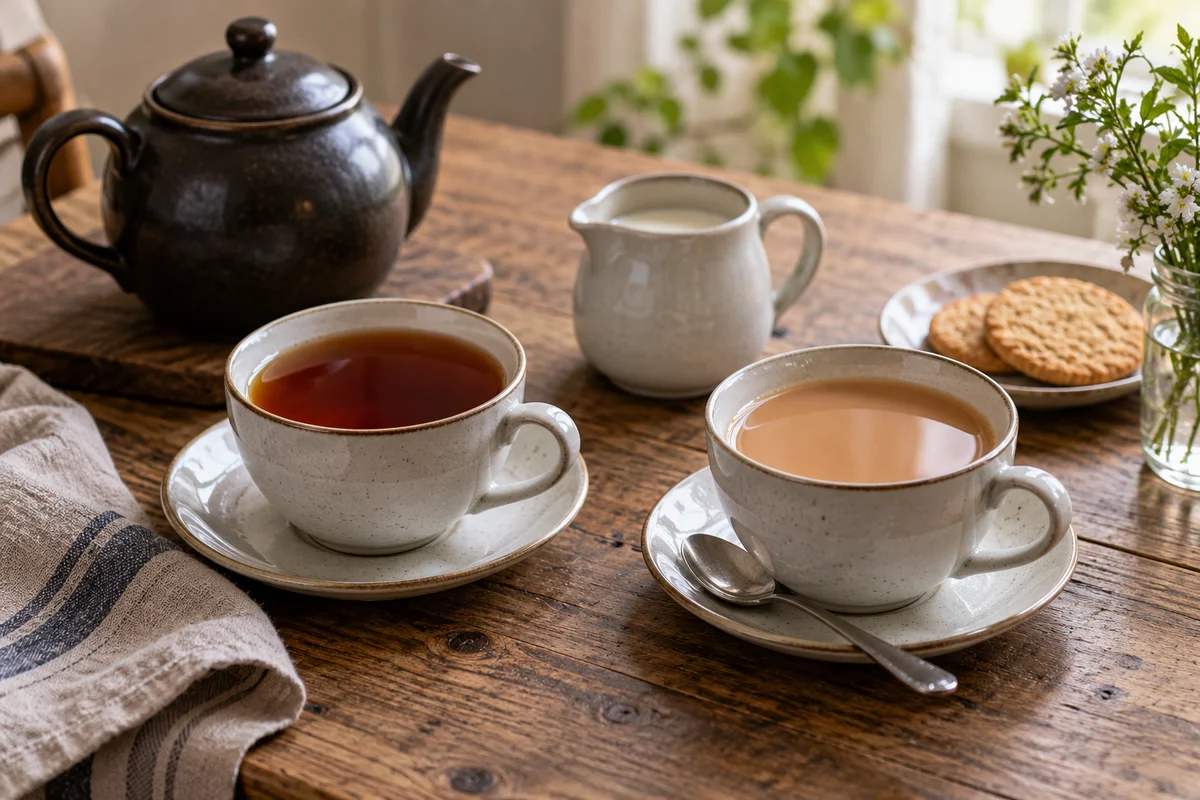
Use the same mug and your usual milk for a trial. Taste a little tea before adding it, then add a measured amount close to what you normally use. This is a buying comparison, not an argument about the correct order of pouring. Notice whether the tea remains distinct, whether the milk's own sweetness takes over, and whether you still like the finish. If you are comparing two teas, keep the milk amount similar enough that the result means something.
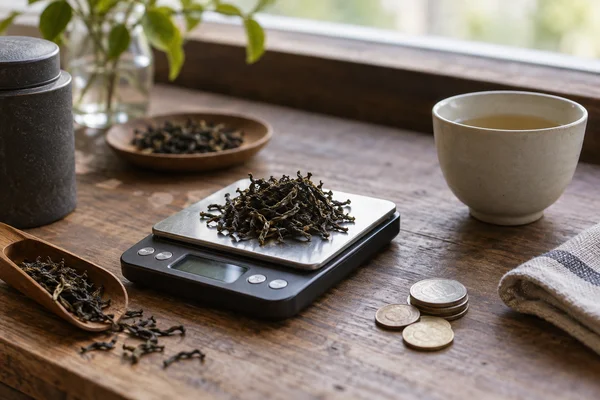
Do not rescue every weak match by using an excessive quantity of leaves. A modest adjustment may be sensible, but a tea that needs far more than the recommended amount can become an expensive everyday choice. Equally, reducing the milk substantially may produce a lovely cup that no longer resembles the drink you wanted. Decide whether you want to change your routine or buy something that fits it; either is reasonable when chosen deliberately.
Keep a plain-tea option separate
Some teas are worth enjoying without your usual addition, but you do not have to buy them for the same job. Keeping one dependable milk tea and one occasional plain tea can make the choice simpler. Record the exact blend you liked and the milk you used. If either changes later, you have a practical explanation to investigate before assuming the tea has suddenly become poor.