Describe a disappointing tea usefully
A useful message about disappointing tea separates what you observed from what you assume caused it. Keep the packet details.
Begin with the kind of disappointment
Tea can disappoint because it does not suit your taste, because it differs from its description, or because the packet appears damaged or suspect. These are different conversations. A smoky tea that you hoped would be merely roasted may be a preference mismatch. A plain tea delivered instead of the flavoured product ordered is a fulfilment question. Damp contents or a broken seal need a direct description of the condition. Do not collapse every problem into a general claim of bad quality.
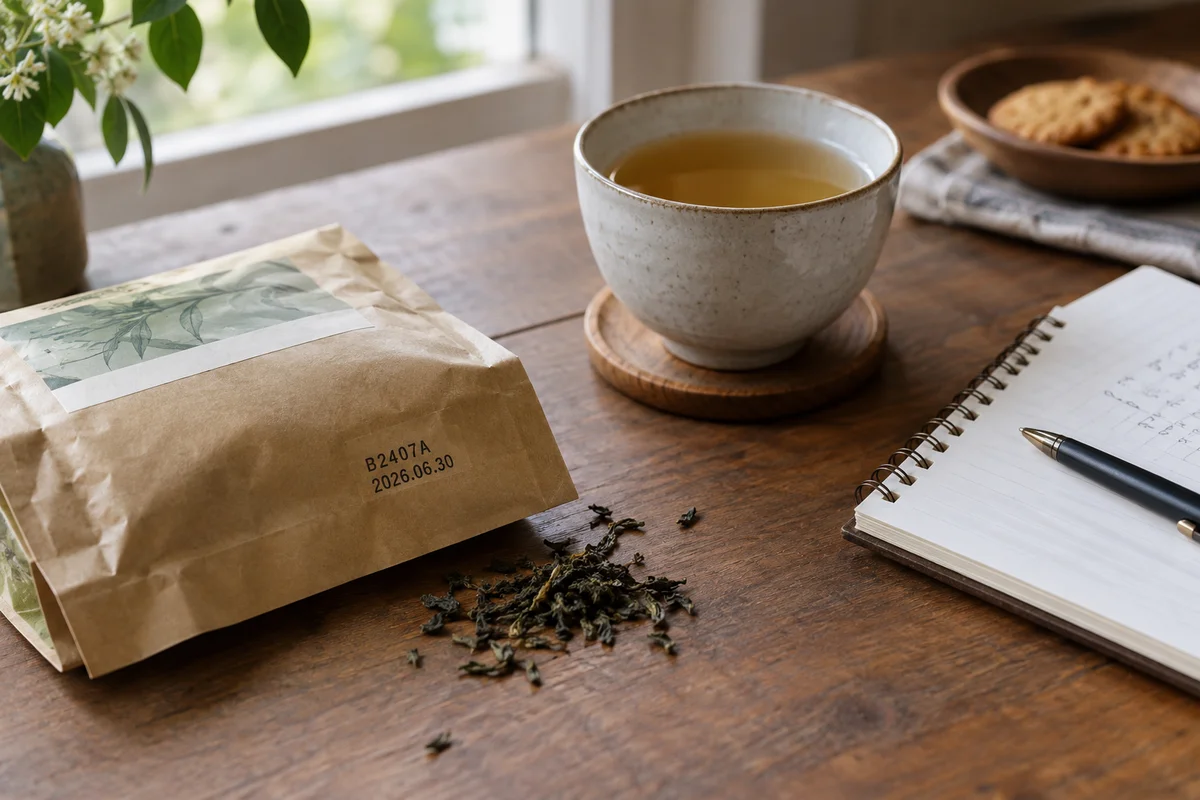
Keep the original packaging, order details, and relevant photographs. Note the full product name, size, and batch or date information where supplied. If the issue concerns the delivered item, photograph it before transferring the contents to another container. This preserves context for the seller and saves a series of messages trying to reconstruct which version you received. Do not send unnecessary personal details when the order reference and product information are enough.
Describe the cup in ordinary language
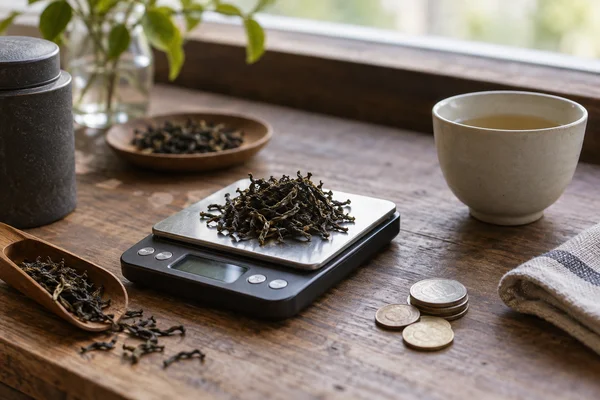
For a flavour concern, explain how you prepared the tea: approximate leaf amount, water quantity, temperature if known, and steeping time. Mention milk, sweetener, or other additions if they affect the result. You are not proving professional competence; you are giving the seller a fair chance to understand the cup. Words such as very drying, faint aroma, or an unfamiliar musty smell are more useful than a long string of insults or an unsupported diagnosis.
If you suspect spoilage, do not keep tasting the tea to collect evidence. Describe visible or other clear observations and ask how the seller wants the issue handled. Avoid assuming that an unusual flavour proves contamination or a particular storage failure. At the same time, do not let uncertainty erase a genuine concern. A calm, specific message can be firm about what you observed without claiming more than you know.
Ask for a practical next step
Say what would help: clarification of the product, preparation advice for a sound tea, or the seller's process for a damaged or incorrect item. Check the current purchase terms rather than assuming every opened food product can be returned for any reason. Keep the response with the order. Even when the outcome is simply learning that a style is not for you, clear feedback can make the next purchase much more accurate.