Keep a useful tea choice at work
A small office selection works best when it matches the shared kitchen, storage space, and people who will actually use it.
Start with the kitchen you have
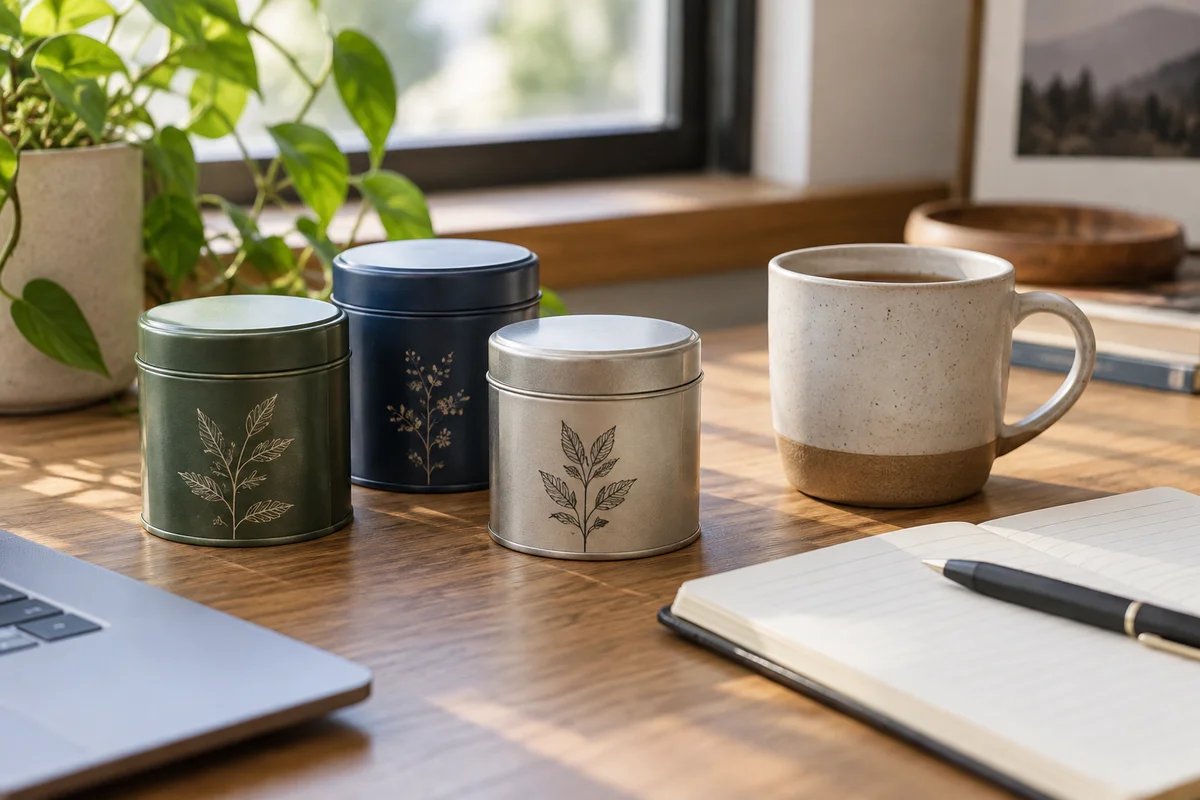
An office tea shelf does not need to reproduce a specialist shop. It needs to work with the available kettle, mugs, washing facilities, and breaks. Before ordering anything, look at what people already finish. A dependable plain tea and one clearly labelled alternative may be more useful than a dozen half-open blends. If colleagues use different formats, keep that distinction visible instead of buying loose leaf on the assumption that everyone owns a strainer.
Shared supplies need clear names. Keep the original packets or attach the full product information to the storage container. A handwritten label saying evening tea tells a colleague very little about ingredients or caffeine. Do not describe a blend as suitable for everybody. People should be able to make their own choice from the information supplied, particularly when allergies or other restrictions matter. Store additions such as milk according to their own instructions rather than treating the tea shelf as the whole system.
Give the tea a dry home
The space immediately above a kettle is convenient but can be exposed to repeated steam. Find a dry cupboard or drawer away from heat and strong food smells. Close packets properly after use, and use a clean, dry scoop for loose leaves. A shared spoon that has just stirred a mug is not a storage tool. Keep strongly scented teas separate so that the plain breakfast tea does not gradually acquire a minty neighbour's aroma.
Buy small enough quantities that the selection stays understandable. Write an opening date where it can be seen and finish older suitable stock before opening a duplicate. If nobody drinks a particular blend, ask once rather than automatically replacing it. An office collection should reflect actual use, not a catalogue's idea of what a complete tea range looks like. A short list of two or three favourites also makes restocking easier for whoever takes responsibility.
Make the shared routine easy
Agree where used bags or leaves go and leave a place for a drained strainer. These ordinary details determine whether loose tea remains practical after the first enthusiastic week. Keep personal special teas clearly separate from communal supplies. Finally, review the shelf occasionally for damaged packets, damp contents, or forgotten food additions. A modest, tidy selection that people can identify and use is a better workplace benefit than an impressive assortment that nobody wants to maintain.