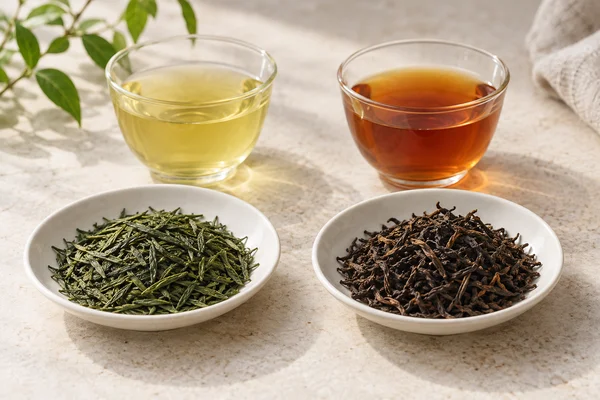
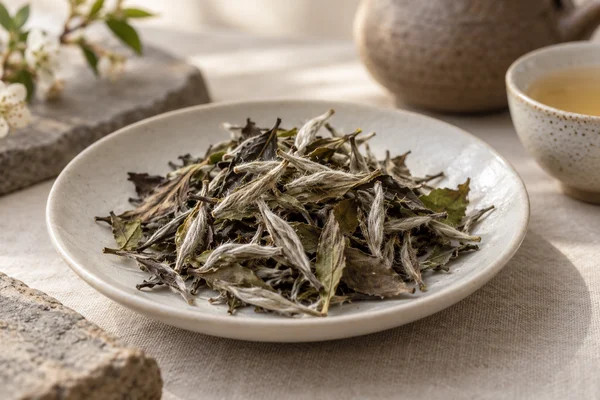
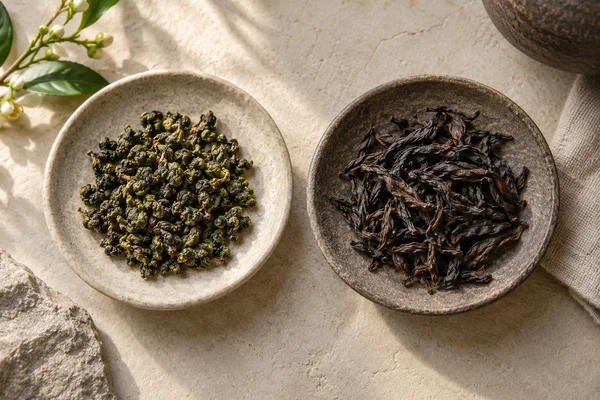
What oxidation changes in a tea leaf
Oxidation helps explain why tea changes colour and aroma. It is different from roasting and from microbial fermentation.
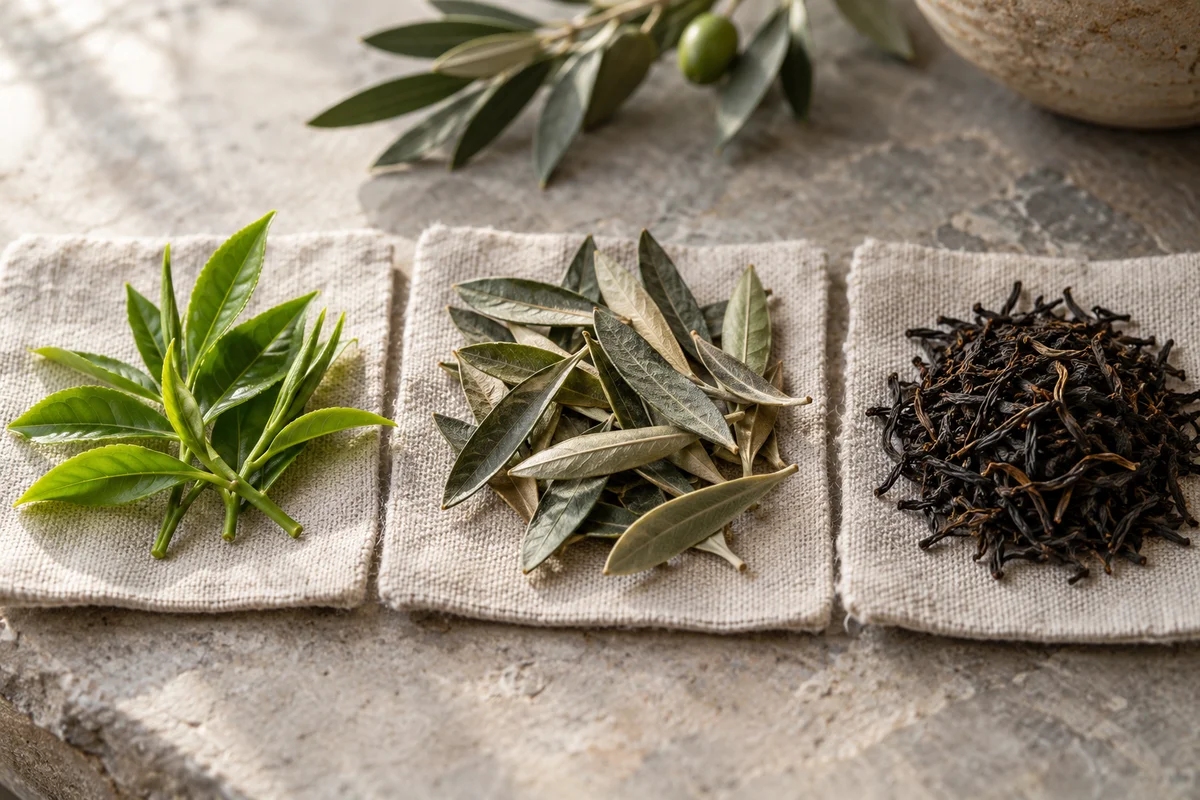
The leaf changes after picking
A picked tea leaf does not become a finished tea simply by losing water. Its chemistry can continue to change. When leaf cells are disturbed, enzymes and other compounds meet in the presence of oxygen. Tea makers can encourage or limit these reactions through how they handle the leaf and when they apply heat. This is the practical idea behind enzymatic oxidation, a term that explains part of the difference between green, oolong and black tea.
Heat can play different roles
Heating early helps stop the enzyme activity that would otherwise continue changing a green tea leaf. Heating later can halt oxidation at the intended point in an oolong or black tea process. A further roast may develop toasted aromas. Those uses of heat overlap in a production sequence, but they do not mean the same thing. A roasted green tea such as hojicha is a helpful reminder: brown colour alone does not prove that a tea has followed the black tea process.
A familiar word can confuse matters
Older descriptions sometimes call black tea fermented. In that context the writer may mean oxidation rather than fermentation driven by microorganisms. In dark teas such as ripe pu-erh, microbial activity really is part of processing. It is worth checking which meaning is intended before assuming that all dark-looking teas share the same treatment. You do not need a chemistry vocabulary to enjoy the difference, but the distinction makes labels and explanations considerably easier to follow.
Read the process, then taste the result
Oxidation is one influence among several. Cultivar, growing conditions, harvesting, shaping, drying and roasting also contribute to a cup. Treat a claimed oxidation percentage as background rather than a flavour score: a higher number is not automatically stronger, better or more caffeinated. To make the idea tangible, compare a plain green tea with a plain black tea prepared appropriately for each. Smell the wet leaves and notice the colour and mouthfeel. Then try a roasted tea and ask whether the impression reminds you more of toast than of the change between the first two cups.