teearten
The tea atlas
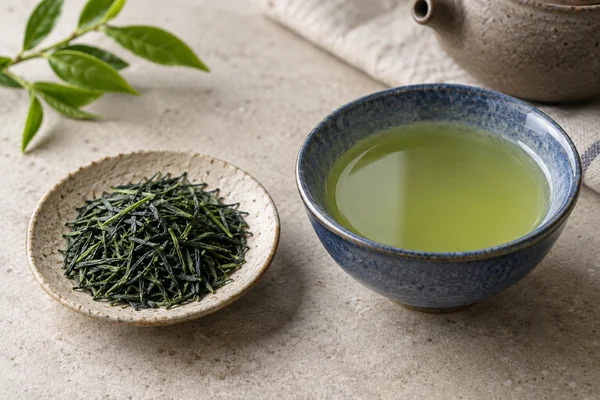
Kabusecha between brightness and umami
Kabusecha can connect sencha's freshness with a more rounded savoury note. The shading description needs context.
Leaves, origins and the flavours that make one tea different from another.
Kabusecha can connect sencha's freshness with a more rounded savoury note. The shading description needs context.
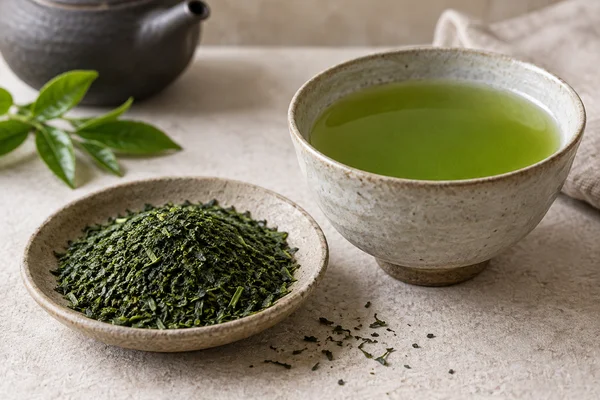
A cloudy green cup and fine leaf particles can be part of the intended style of deeply steamed sencha.
Shincha points to a newly released harvest. It is not a separate plant or a guarantee that every packet tastes alike.
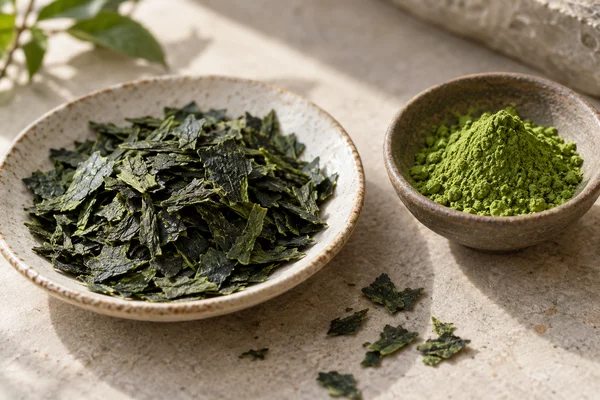
Before matcha becomes powder, it exists as a light, flaky leaf called tencha. Its shape reveals a different process from sencha.
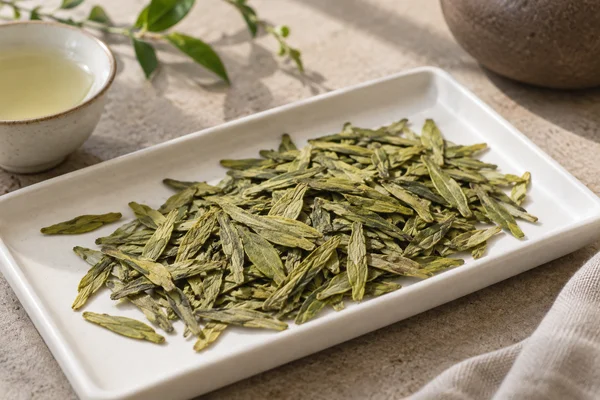
Longjing's flattened leaf is distinctive, but the best introduction is the relationship between its shape, aroma and cup.
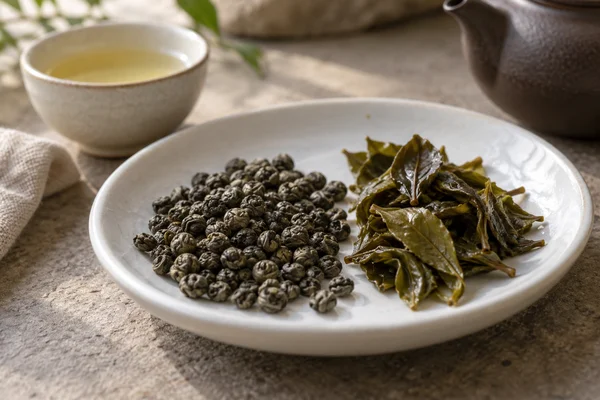
Gunpowder gets its name from its rolled shape. Those compact pellets change how a spoonful looks and opens.
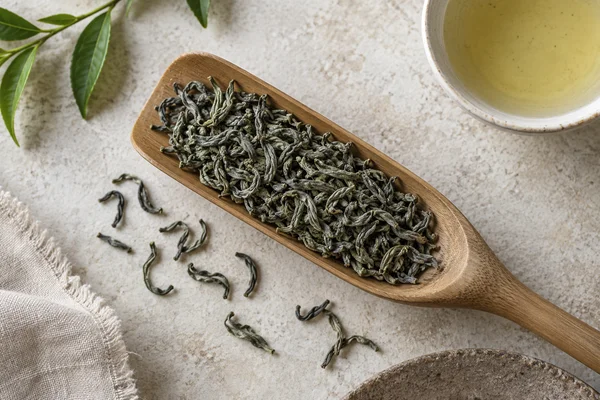
Chun Mee is named for a curved leaf shape. Its brisk green character deserves more attention than the translation alone.
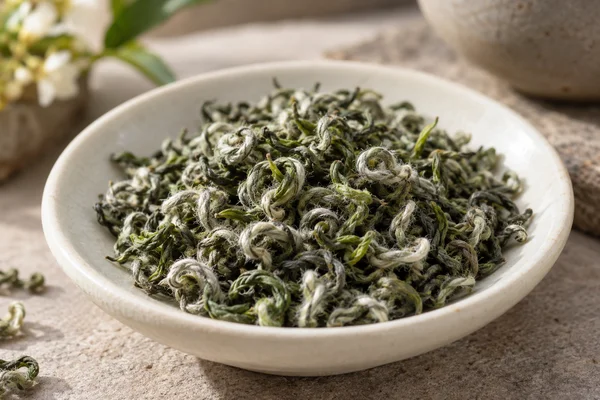
Small curls and fine down make Biluochun visually distinctive. Origin and leaf material explain why packets can differ.
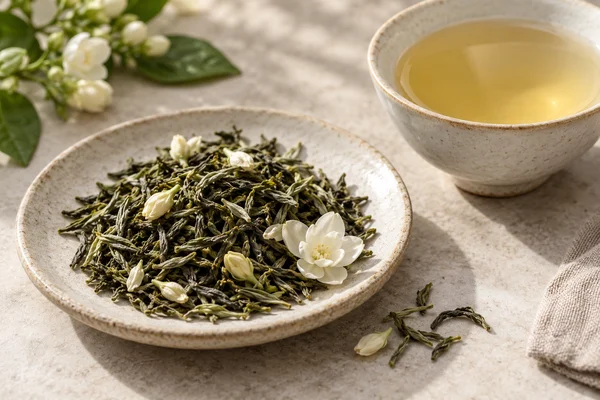
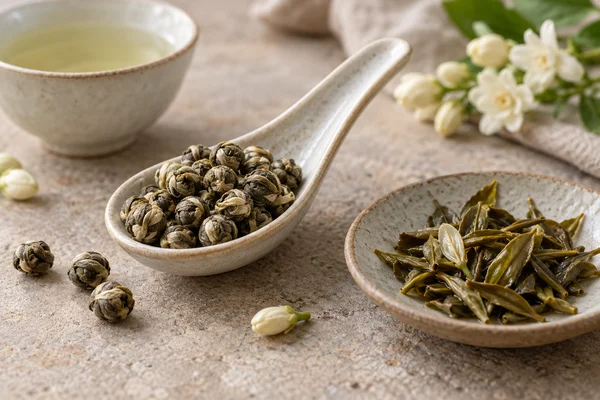
Most familiar jasmine tea combines a tea base with floral scent. It is not simply dried jasmine flowers in hot water.
Jasmine pearls combine scenting with a rolled leaf shape. Their slow opening is useful to watch, but not a quality test by itself.
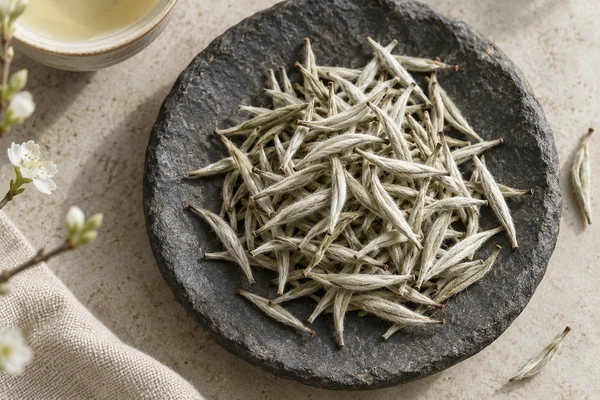
Silver Needle puts buds at the centre of the cup. Its fine appearance does not mean it needs to taste weak.
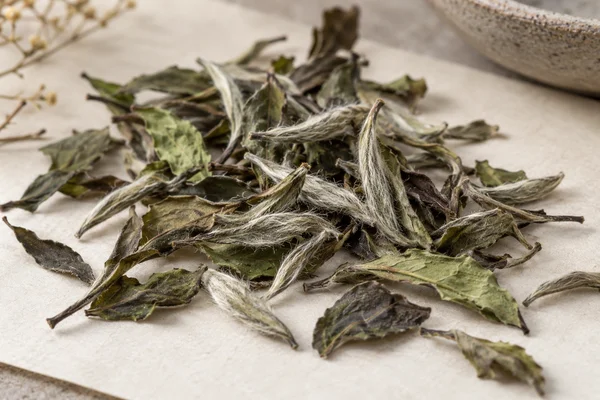
Bai Mu Dan combines buds and leaves. The mixed appearance is the beginning of its character, not a flaw to sort out.