teearten
The tea atlas
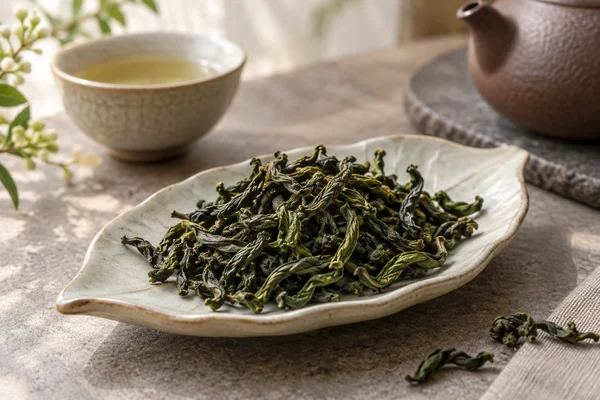
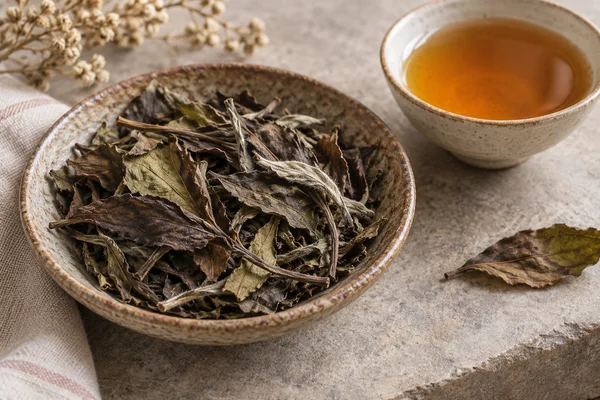
Shou Mei and the fuller side of white tea
Shou Mei's broad, rustic leaves can make a rewarding white tea. Appearance grades should not replace your preference.
Leaves, origins and the flavours that make one tea different from another.
Shou Mei's broad, rustic leaves can make a rewarding white tea. Appearance grades should not replace your preference.
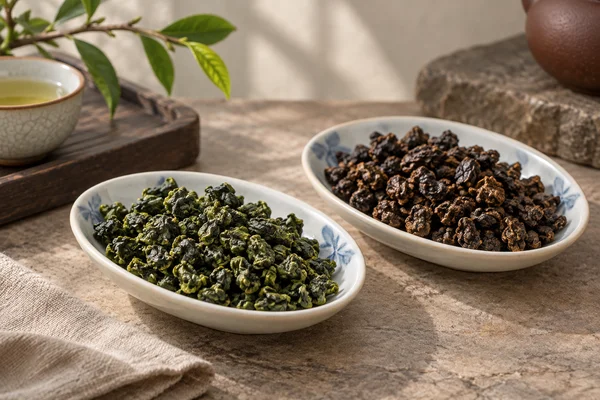
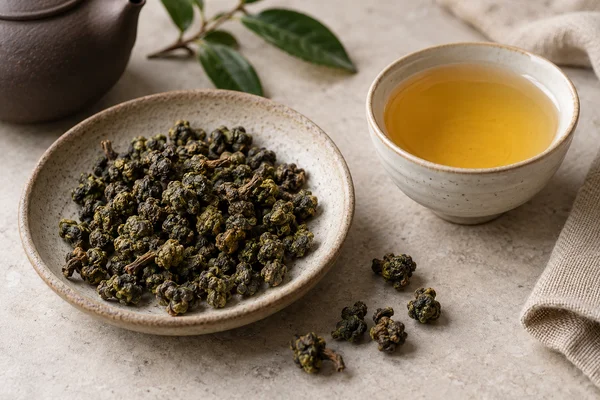
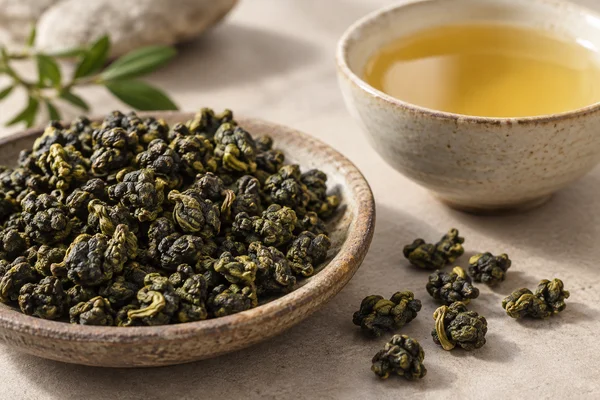
Tieguanyin may be fresh and floral or deeper and roasted. Ask about the style before expecting a familiar cup.
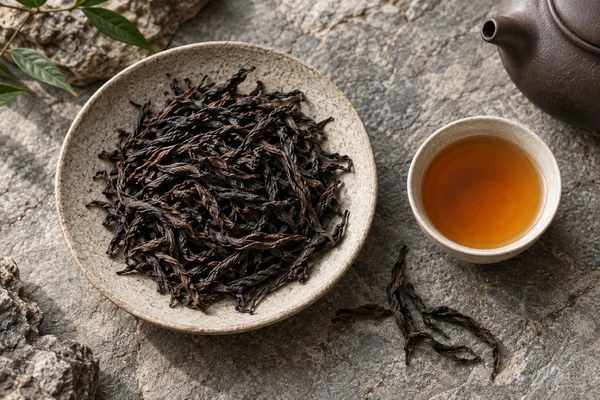
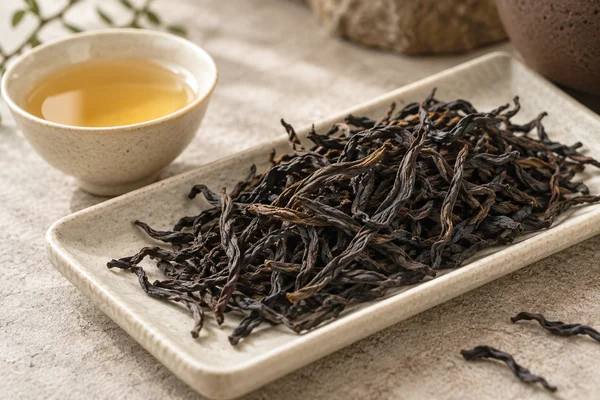
Rock tea is a family of Wuyi oolongs. Roast is part of the story, but the name does not promise a literal taste of stone.
Dancong names often point towards fragrance. Honey, orchid and other words describe tea character rather than added ingredients.
Dong Ding is closely associated with Taiwanese oolong and roasting, but the roast level is worth asking about.
Baozhong shows the lighter side of oolong, with loosely twisted leaves and fragrance that can feel close to green tea.
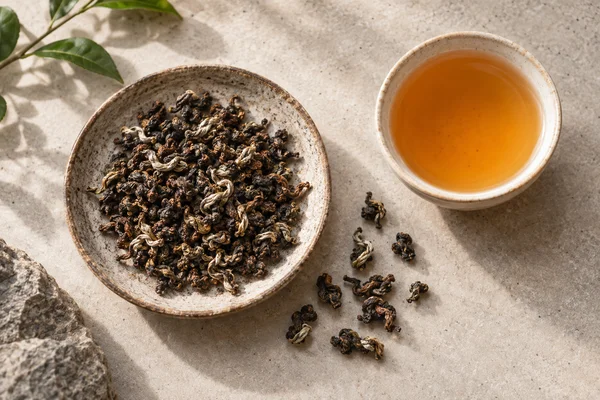
The mixed colours of Oriental Beauty belong to a distinctive Taiwanese oolong. Honey-like aroma does not mean added honey.
Jin Xuan can have a naturally creamy impression. Milk oolong on a label still deserves an ingredient check.
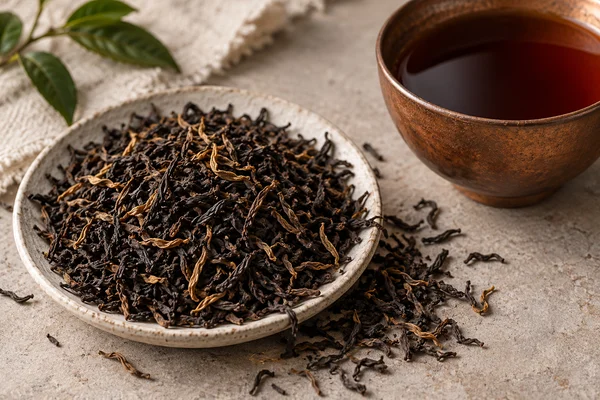
Malt is a useful clue to Assam, provided it does not become a rule for every tea from this large region.
Pale liquor and greenish leaves do not disqualify a first flush Darjeeling from being a black tea.
Muscatel describes a grape-like impression, not added wine and not a promise made by every summer harvest.
Sri Lanka's black teas range from delicate and fragrant to dark and substantial; Ceylon does not name one blend.