teearten
A better brew
Pour several cups to a similar strength
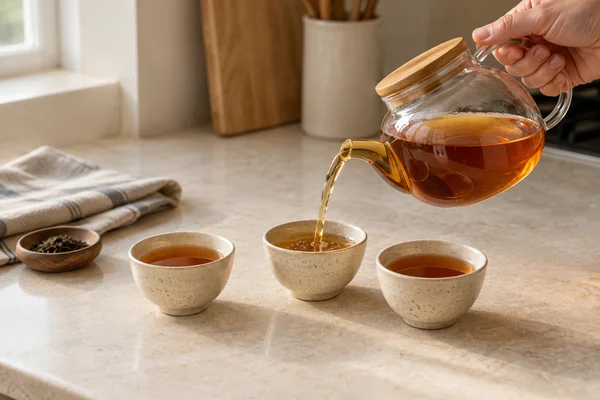
The first and last tea leaving a pot may differ. Mixing the finished infusion in a serving pitcher makes sharing it more straightforward.
Small adjustments to water, leaf and time that you can actually taste.
The first and last tea leaving a pot may differ. Mixing the finished infusion in a serving pitcher makes sharing it more straightforward.
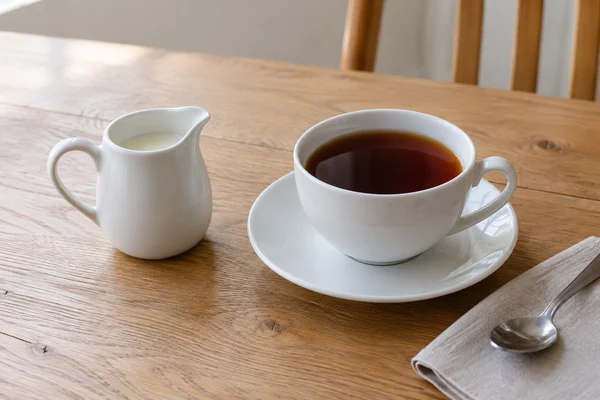
Let the tea finish brewing before milk enters a mug with leaves or a bag. Then adjust the milk to the cup rather than hiding an uncertain brew.
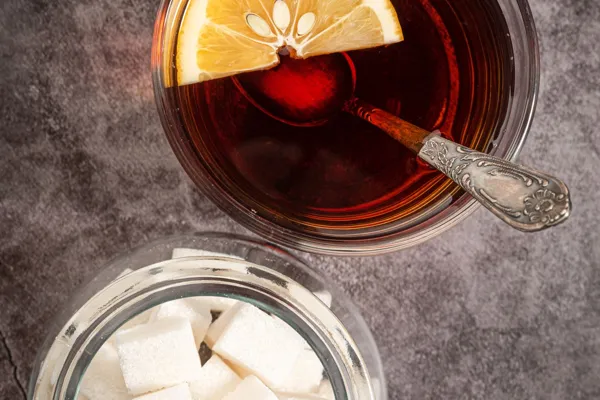
A little lemon can brighten a cup and change its colour. Taste the brewed tea first, then add citrus gradually.
Try sweetener in a small portion before changing an entire pot. The right amount depends on both the tea and the sweetener's own flavour.
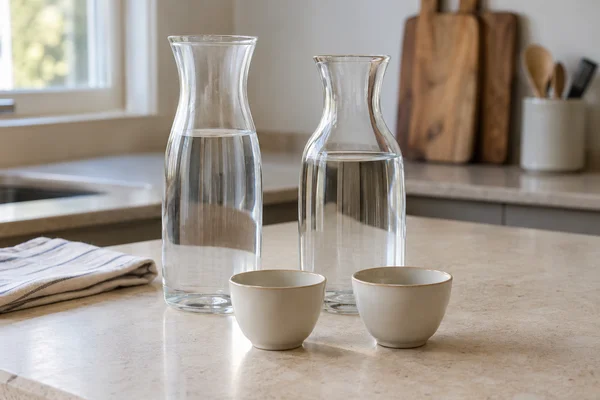
Water is worth comparing when a familiar tea tastes flat or different in another kitchen. Use a small controlled trial before buying equipment.
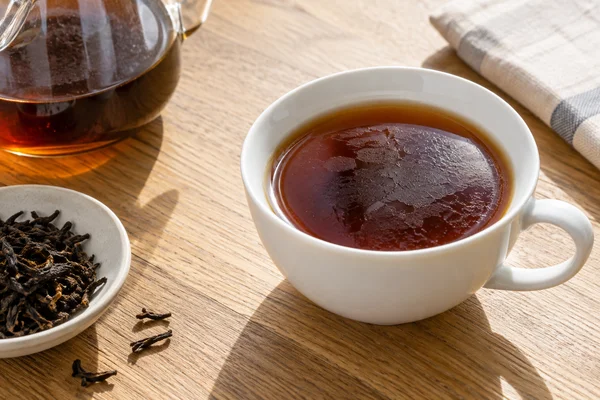
A fine film can form where tea meets air, influenced by compounds in the leaves and minerals in the water. Check the context before blaming dirty cups.
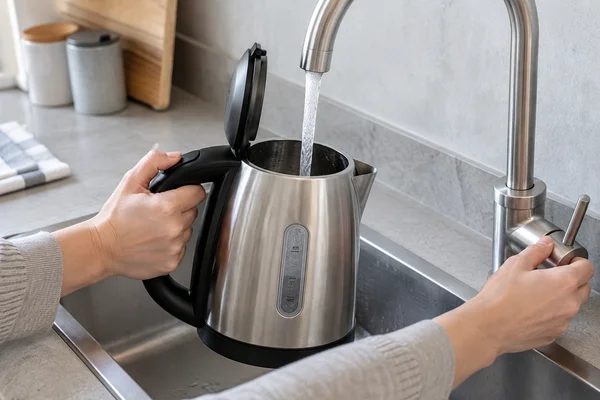
Fill for the amount of tea you need while respecting the kettle's minimum and maximum levels. A simple water routine is easier to repeat.
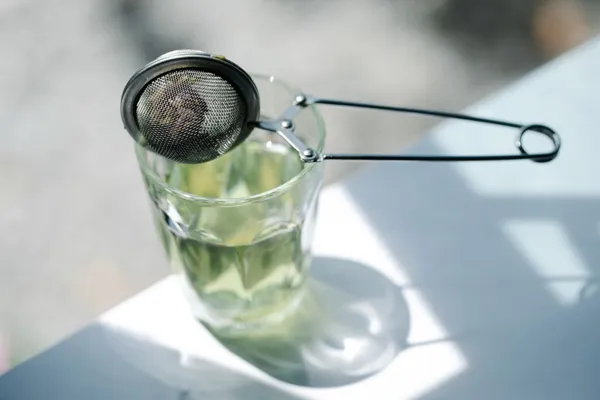
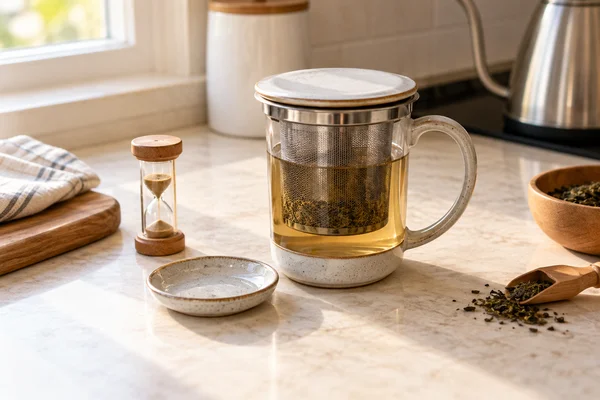
An infusion stops changing through leaf contact only when liquid and leaves are separated. Use a removable filter or a second vessel to make that endpoint clear.
The most useful desk setup is one that lets you remove the leaves without abandoning your work or risking a spill near electronics.
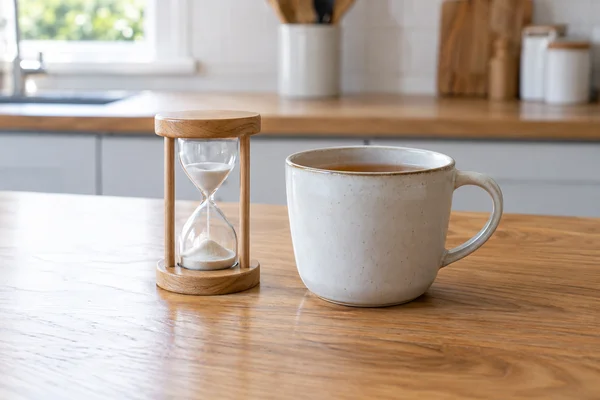
Put the tea on its own small schedule while dinner is underway. A clear counter space and an audible timer help prevent a forgotten infusion.
The first sip should be comfortable enough to judge. A small tasting portion can cool without leaving the whole brew on the leaves.
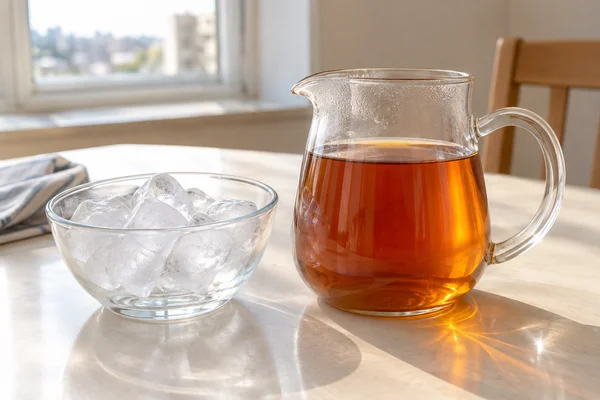
Prepare the tea properly with hot water, remove the leaves, then cool it promptly. Plan the ice and final volume before you begin.