teearten
Choose & keep
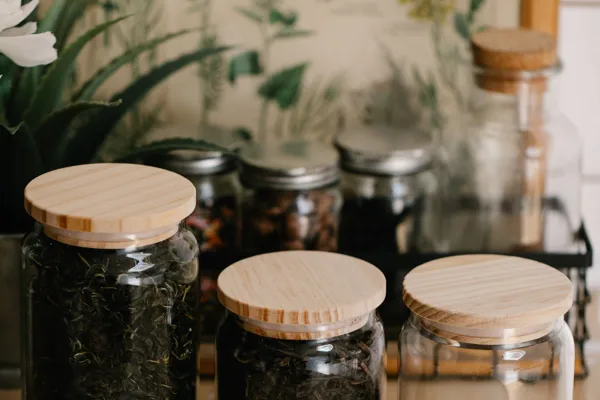
Can tea stay in a clear glass jar?
Glass can be a useful tea container when it closes well and stays in the dark. A sunny display shelf changes the equation.
Make sense of labels, find your preferences and keep good tea in good condition.
Glass can be a useful tea container when it closes well and stays in the dark. A sunny display shelf changes the equation.
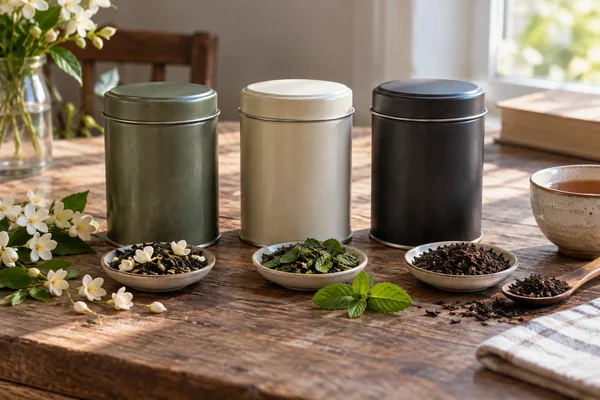
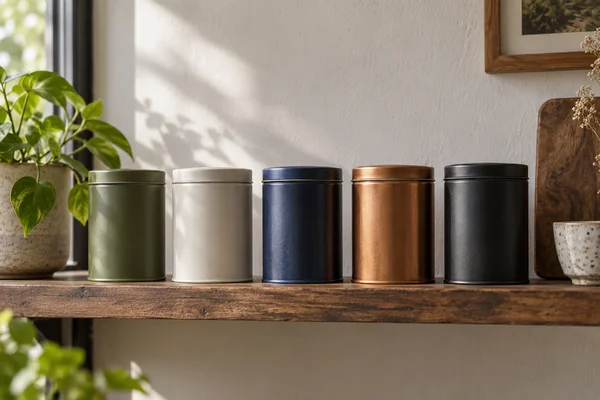
An orderly tea cupboard should separate aromas as well as packets. Strongly scented blends deserve their own closed space.
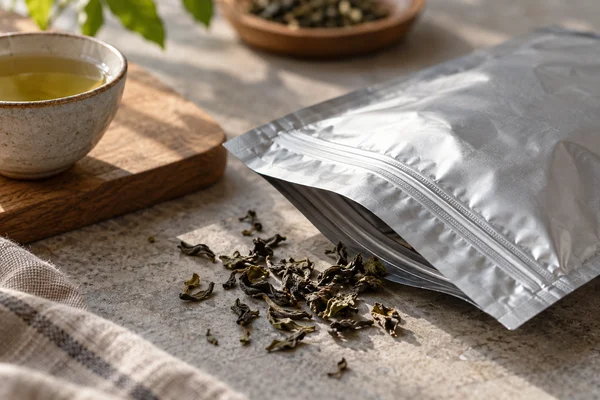
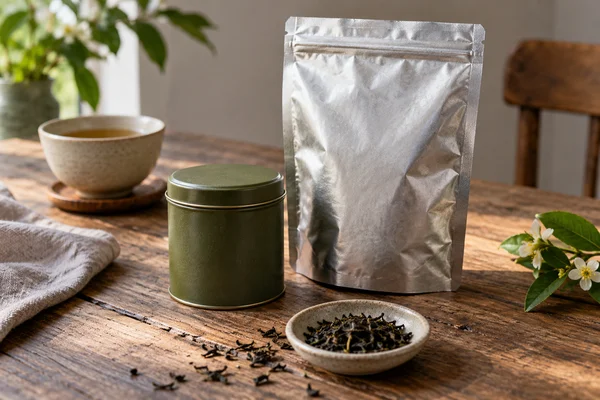
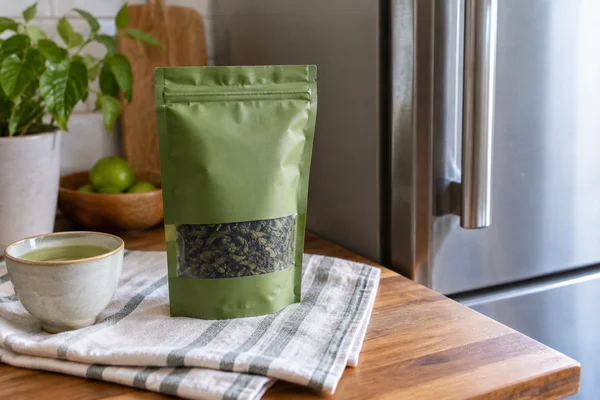
A zip pouch protects tea only when the channel is clean and fully closed. A quick pinch in the middle is not always enough.
Separating a working portion from a reserve can make a large purchase easier to manage, provided both remain dry and identifiable.
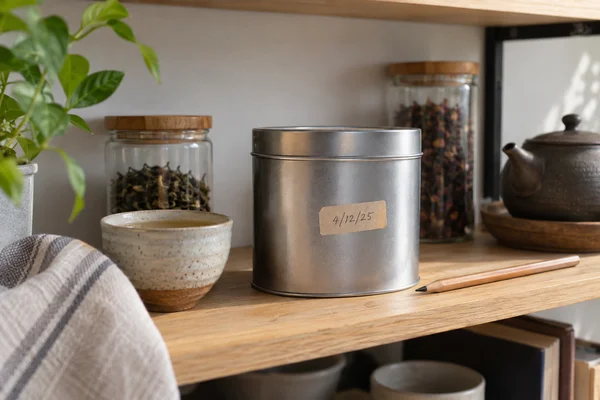
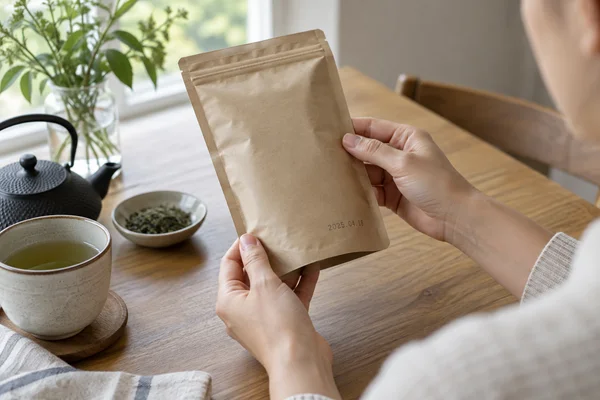
A small date on a packet can explain more than a perfectly arranged shelf. Record when you opened it, not a guessed deadline.
A best-before date concerns expected quality under stated conditions. Look at the product and its history rather than treating the date as the only fact.
Cold storage can create a moisture problem when a packet is opened too soon. Follow the tea maker’s guidance and let sealed packets acclimatise.
A nearly empty packet deserves a clear decision. Use a small remaining portion on its own before turning the cupboard into an accidental blend.
A satisfying tea shelf has room for what you drink. Count open packets before another interesting offer turns into a backlog.
Different names can lead to very similar cups. Compare the job each tea does before adding another packet to the same corner of your shelf.
Decaffeinated tea and a naturally caffeine-free infusion answer different questions. Check the base ingredients before relying on a label.
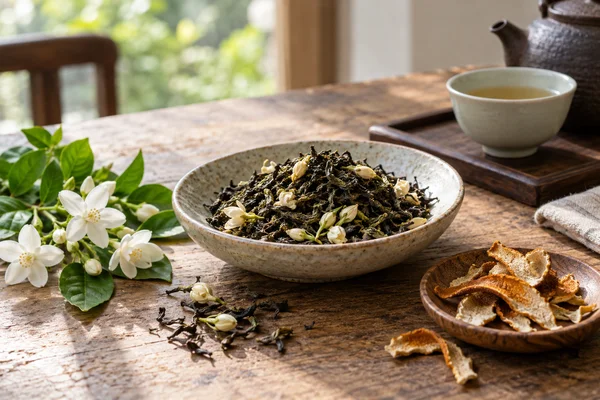
Aromatic tea can reach the cup in several ways. Separate the production description from the flavour words before choosing.