teearten
Things for tea
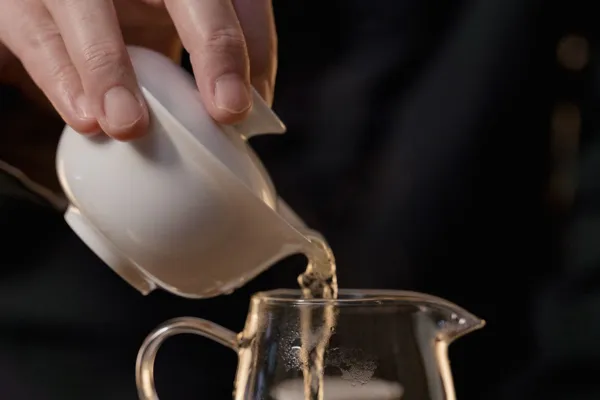
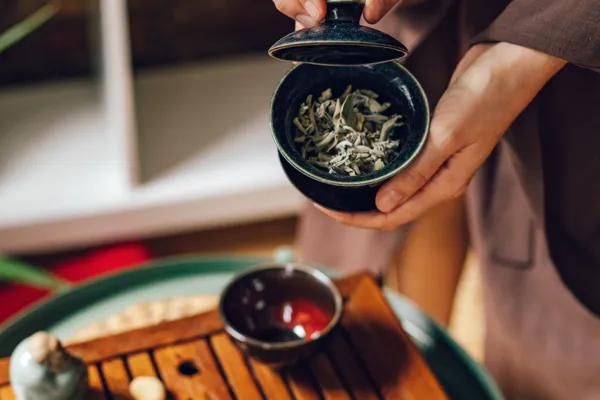
Learn a gaiwan grip with cool water
A gaiwan becomes easier to understand with cool water and an unhurried practice pour. Comfort matters more than copying a graceful photograph.
Useful pots, cups and everyday tools, with room for simple choices.
A gaiwan becomes easier to understand with cool water and an unhurried practice pour. Comfort matters more than copying a graceful photograph.
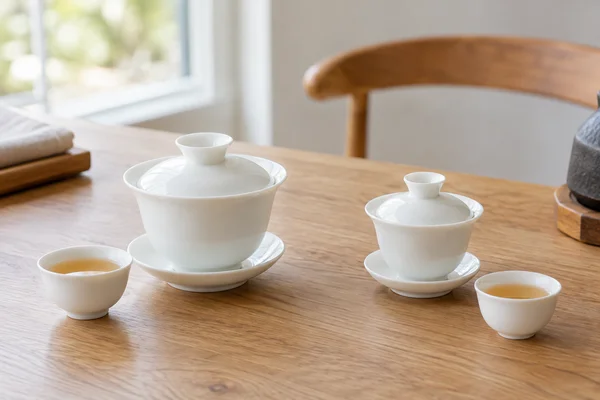
Capacity, rim width and the number of cups all matter when choosing a gaiwan. Bigger is not automatically more useful.
A small pitcher receives the complete infusion before it is divided between cups. That pause simplifies serving and separates brewing from drinking.
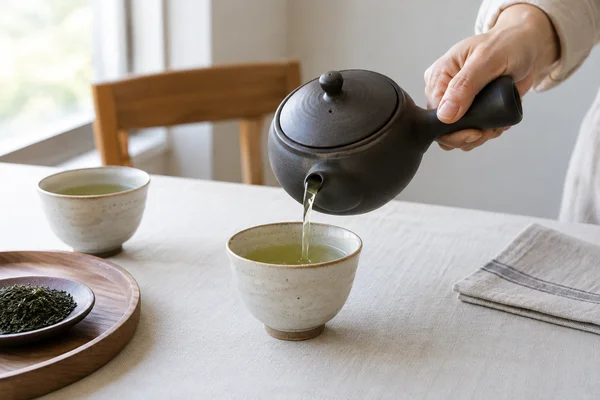
A side handle changes the movement of pouring. Learn the balance, lid support and final drain with water before brewing your tea.
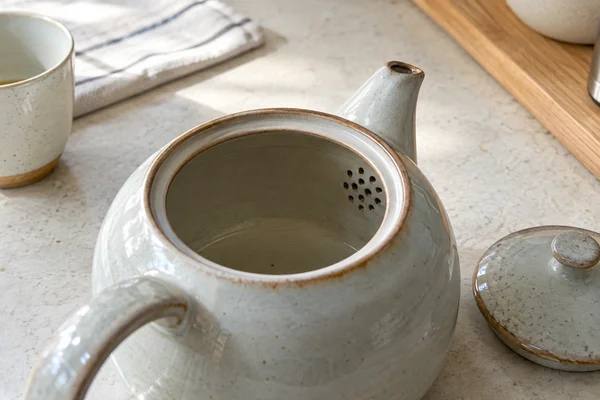
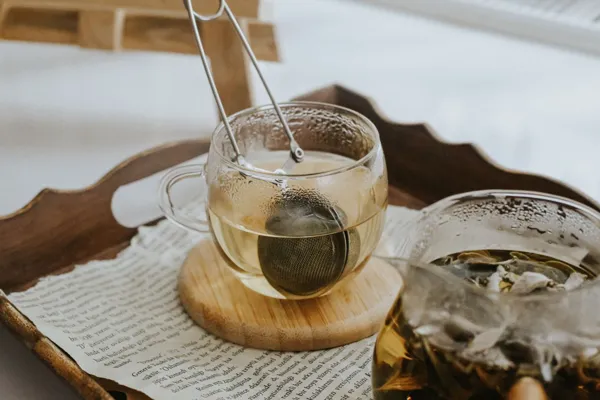
An integrated filter saves a loose part but still traps leaves. Clean the outlet deliberately so yesterday's fragments do not interrupt today's pour.
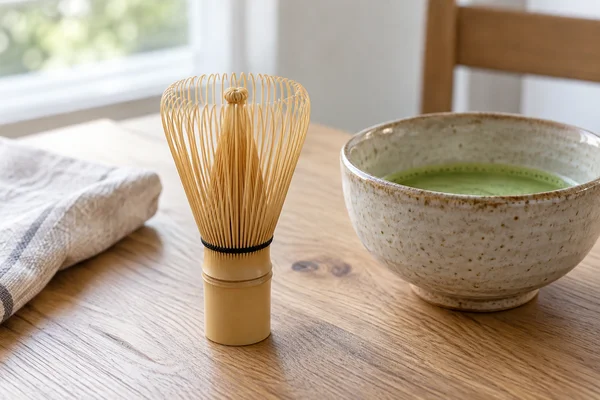
A bamboo whisk works best when its fine tines are treated gently and allowed to dry. Build care into the few moments before and after making matcha.
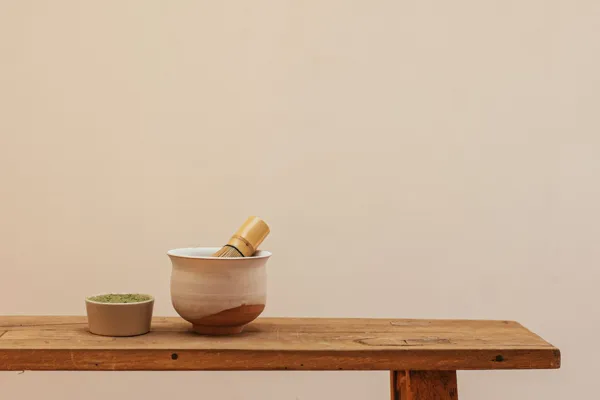
A matcha bowl needs space for movement as well as room for liquid. Judge its interior with the whisk you actually use.
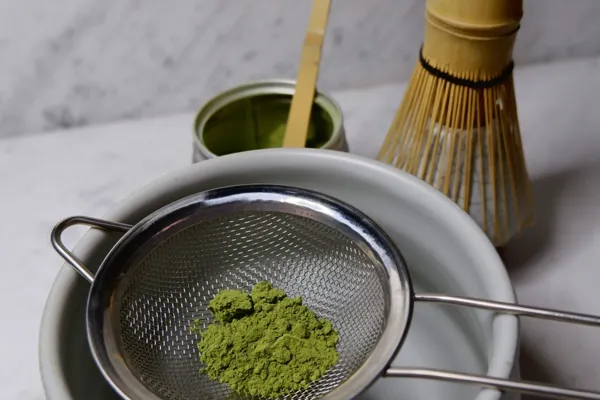
Sifting breaks up dry matcha clumps before water is added. A small, dry sieve makes the task easier to control than vigorous whisking later.
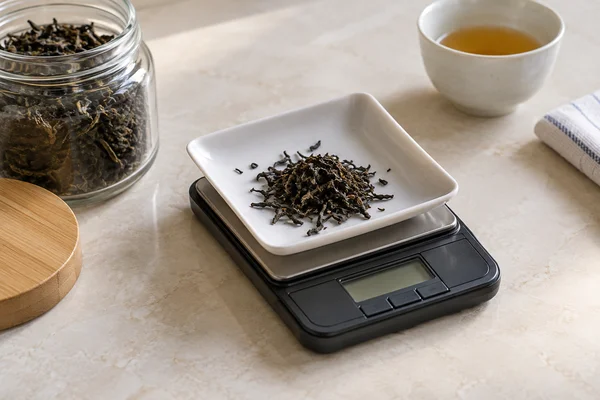
A decimal on the display is useful only if the scale can reliably measure the small quantity you are putting on it.
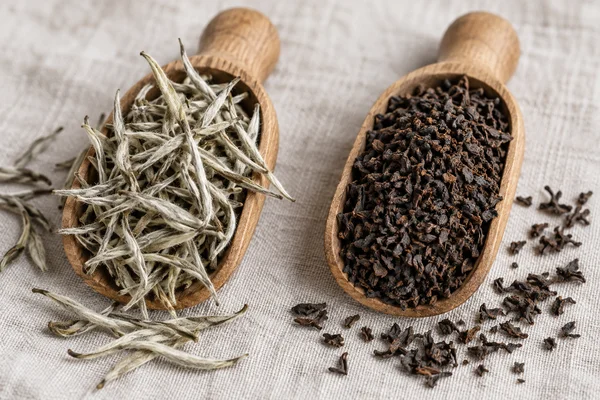
Two scoops that look equally full can hold very different amounts of leaf. Learn your scoop with the tea you actually drink.
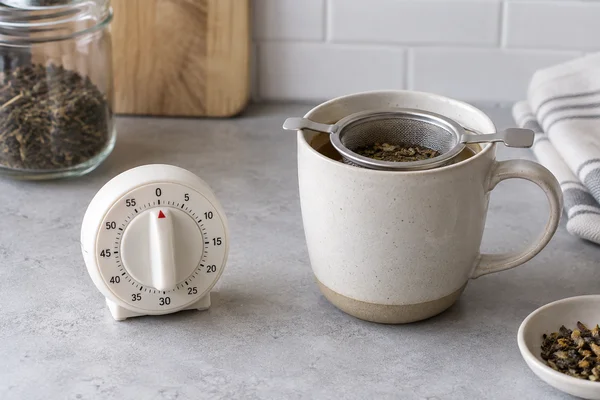
The best tea timer is the one that fits the room, your hearing and the way you make a cup.
A tray earns its space by making pouring, resting a wet filter and clearing the table easier.