Weak tea does not always need more time
A pale colour does not automatically mean weak tea. Check flavour, water volume and leaf contact before extending the steep.
Judge the sip, not just the colour
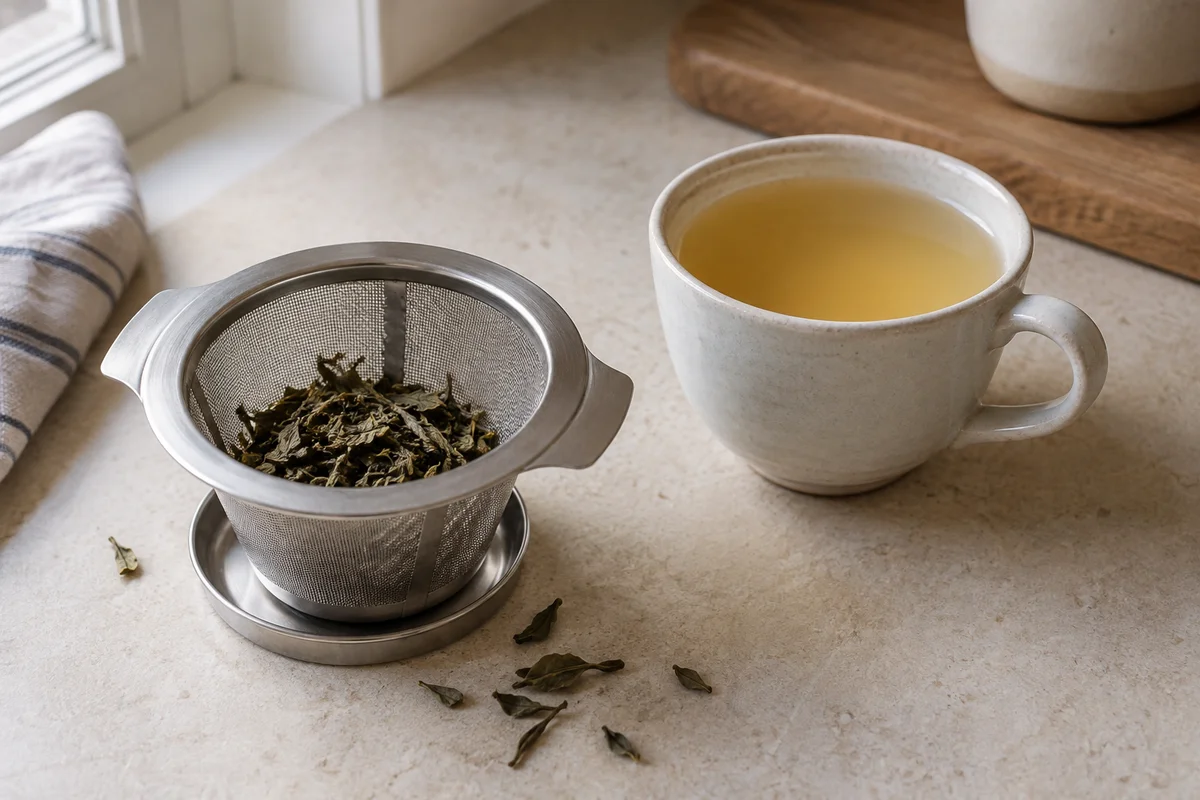
Some teas produce a pale liquor with plenty of aroma and a lasting finish. Others turn dark quickly without the body you expected. Before calling a cup weak, taste it at a comfortable temperature and ask what is missing: fragrance, weight in the mouth or the intensity needed to stand up to milk. These are different aims. A delicate white tea is not failing because it does not look like a breakfast blend.
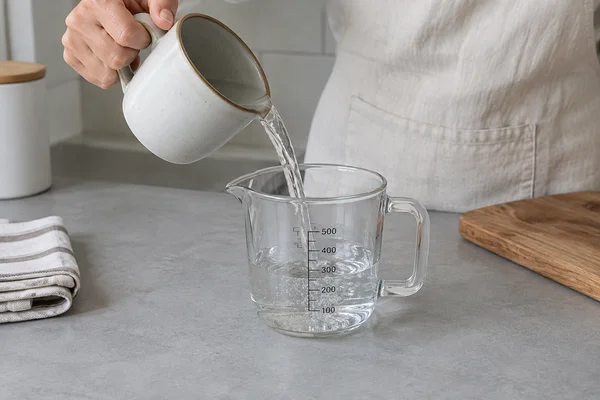
If the flavour really is diluted, measure the water you used. A large mug can contain much more than the serving assumed on a tea-bag packet. Reducing the water to the recommended amount is an easy first test. Do not change the steeping time at the same moment, or you will lose the chance to see whether water volume was the main issue.
Check that the leaves are doing their part
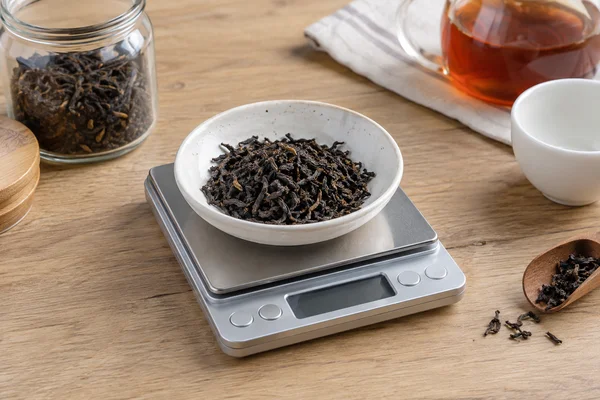
For loose tea, weigh the dry portion rather than comparing heaped spoons of very different leaves. Make sure the infuser reaches the water and gives the leaves room to open. A basket perched too high in a half-filled mug may leave part of the portion nearly dry. A tightly packed filter can create a different problem: plenty of leaves are present, but water cannot move through them easily.
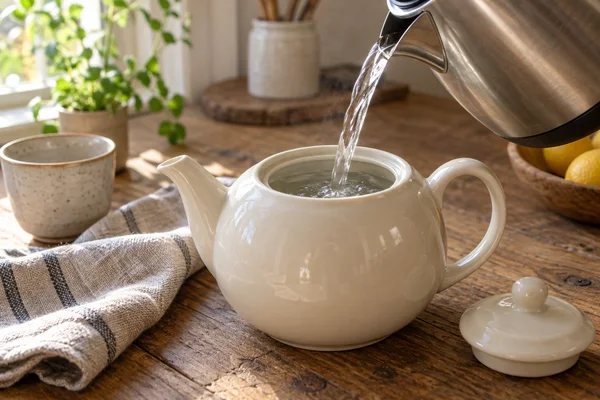
Temperature also matters. If the packet calls for freshly boiled water and yours has waited in an open jug while you prepare everything else, the brewing conditions have changed. Follow the product's starting advice before experimenting. With ordinary herbal or fruit infusions, maintain the specified boiling-water preparation and minimum time instead of trying to solve weak flavour with an unsafe lukewarm soak.
Add time only when that is the question
Once dose, water and contact are sensible, a slightly longer steep may be worth testing. Stop if extra time adds a dry or harsh finish without the missing fullness. A modestly larger portion may suit that tea better. For a second infusion, remember that the same leaves have already given up some soluble material; it will not necessarily taste identical to the first. A lighter but pleasant later cup can be a feature of the session rather than a mistake to correct.