Yerba mate is herbal, but not caffeine-free
Yerba mate comes from a different plant than tea, yet it naturally contains caffeine and should not be grouped with caffeine-free herbs.
Herbal does not settle the caffeine question
Yerba mate is made from Ilex paraguariensis, a South American plant distinct from Camellia sinensis. That places it outside the usual green, black, white and oolong tea families. It does not, however, make the drink caffeine-free. Mate naturally contains caffeine, which is the important exception to remember when herbal is being used as a loose shopping category.
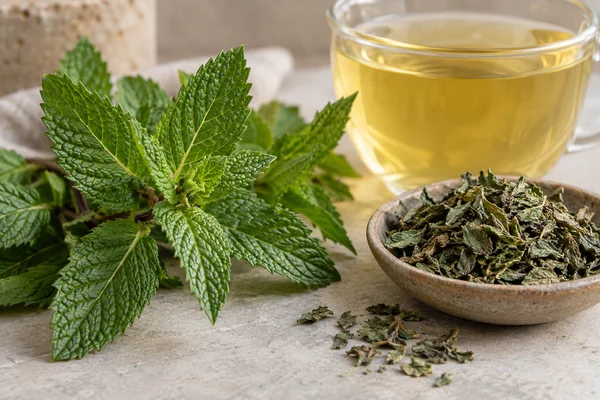
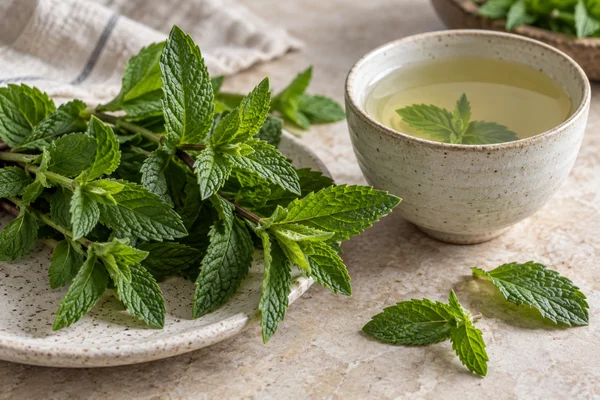
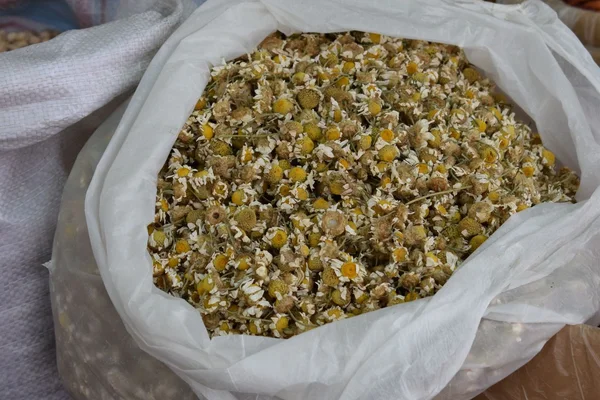
A blend of peppermint and flowers and a packet of plain mate can therefore sit near each other while having different caffeine characteristics. The plant name and full ingredients matter more than the shelf sign. A green-looking leaf is not enough to settle the question either.
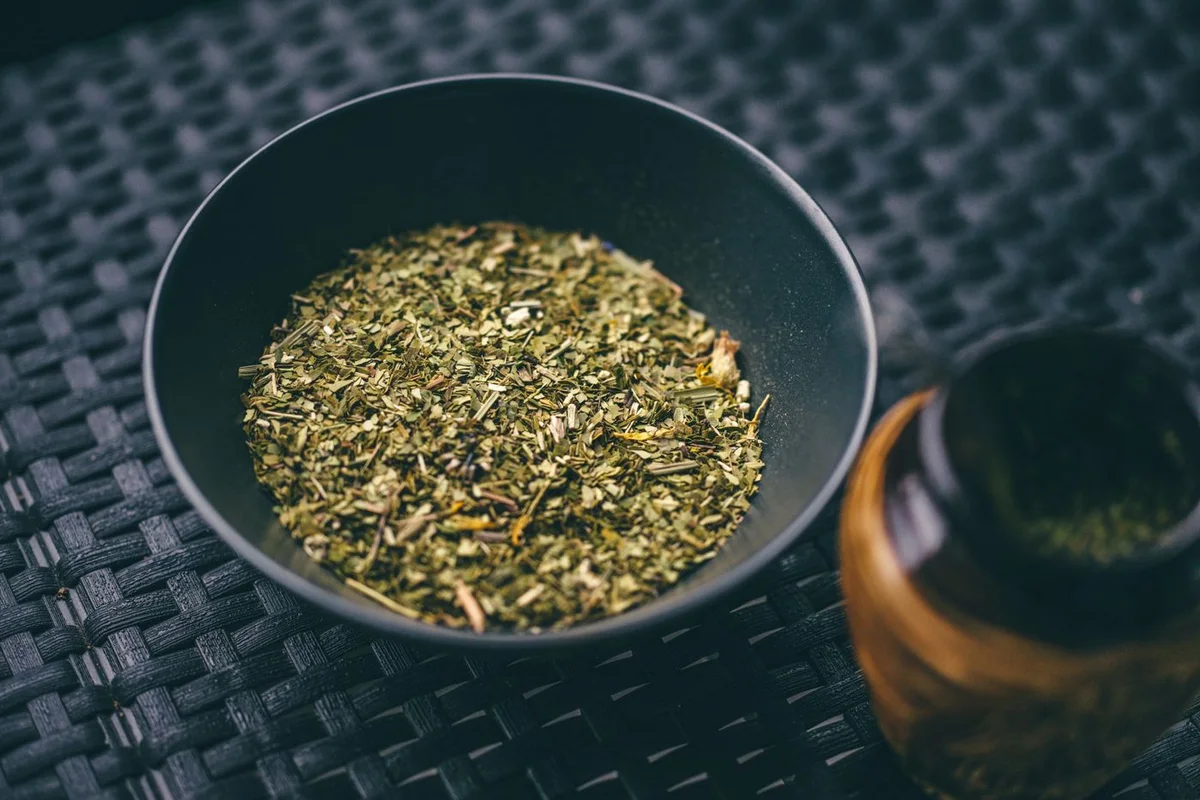
The dry mixture has several textures
Prepared yerba mate can contain chopped leaf, fine material and stem pieces, depending on the style. Those visible differences are part of how products are made and selected. They should not be interpreted through the rules of a whole-leaf Chinese tea, where the appearance and intended preparation may be quite different.
The flavour can be distinctly bitter and herbal, with grassy, woody or sometimes smoky impressions according to processing. Bitterness does not by itself reveal a precise caffeine amount. A cup's composition and preparation affect the result, so a universal number for every serving would be misleading without a clearly defined product and method.
A separate drink, not a disguised energy claim
Mate can be enjoyed for its own aromatic and textural character. There is no need to promise a special kind of productivity or a guaranteed absence of caffeine side effects. Such claims do not explain the leaf in the packet. A more useful introduction describes the herbal opening, the degree of bitterness and the way the flavour continues through the drink.
Flavoured and mixed products can add citrus, mint or other ingredients, while ready-to-drink versions may contain sweeteners. Those are different formulations from plain dry yerba mate. Keeping that distinction visible prevents a familiar brand style from standing in for the entire category. The key fact remains simple: a plant infusion can be outside the tea family and still contain caffeine naturally.