Rosemary has a resinous side
Rosemary's needle-like leaves carry a resinous, savoury fragrance that gives herbal blends a very different direction from citrus or flowers.
Needle-like does not mean a pine tree
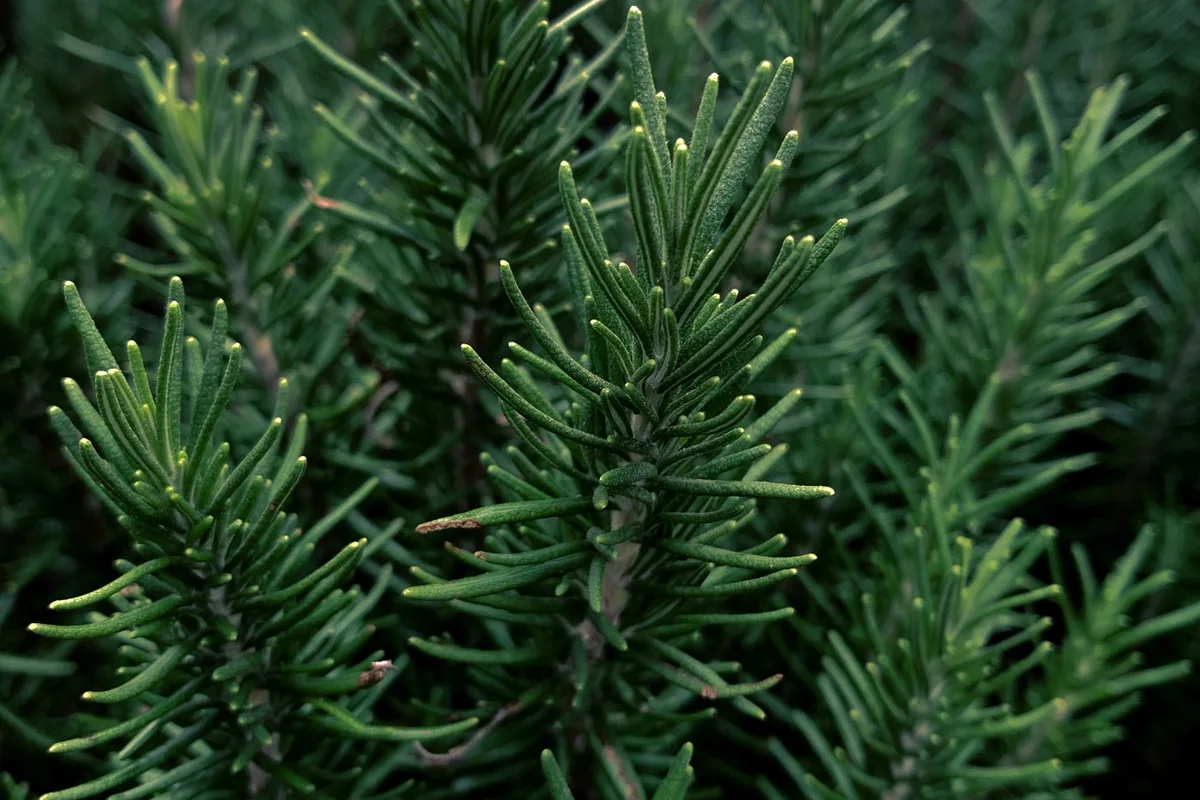
Rosemary's narrow, firm leaves look like small needles, but the ingredient is the familiar culinary herb, not a handful of pine foliage. Its resinous aroma can encourage that comparison in the nose as well as the eye. The word resinous describes a scent quality here; it does not mean resin has been added to the infusion. Keeping the plant identity clear is more useful than letting a forest-like association turn into an inaccurate ingredient description. Its firm leaves also remain more visually distinct than many finely crumbled soft herbs.
A savoury aroma in plain water
Without the oil, salt or roasted food that often accompanies rosemary in cooking, an infusion exposes the herb's direct character. It can feel aromatic, dry and assertive, with a woody or slightly bitter edge. That may be unexpected to someone who thinks herbal tea should always be soft or fruity. Rosemary belongs to another part of the flavour range. Its appeal depends on enjoying that clear culinary-herb note, not on disguising it as a flower drink.
A supporting note can become the whole cup
In a mixed infusion, rosemary may add depth beneath lemon-like herbs or other leaves. Because its fragrance is distinctive, a modest visible amount can still shape the result. If it dominates, the mixture may seem to repeat the same resinous note from beginning to end. If it is more restrained, it can provide a darker background while another ingredient leads. Both outcomes are about balance; neither can be predicted by counting the sprigs shown on the packaging.
Keep the form appropriate to food
Dried culinary rosemary, fresh food-grade sprigs and concentrated rosemary oil are not interchangeable forms for an everyday drink. Use an ingredient intended for consumption and its preparation guidance. The narrow leaves remain solid material to strain rather than a soluble powder. For a tasting note, notice the first pine-like association, the herbal body and the dry finish separately. That gives a more precise account than calling the cup powerful or cleansing. Rosemary's recognisable leaf and persistent aroma provide plenty to describe without attaching a functional promise to them.