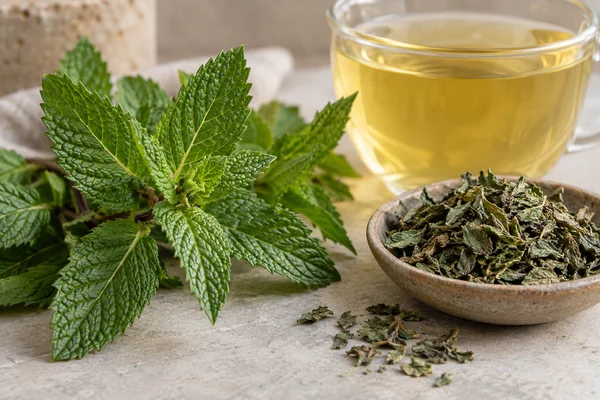
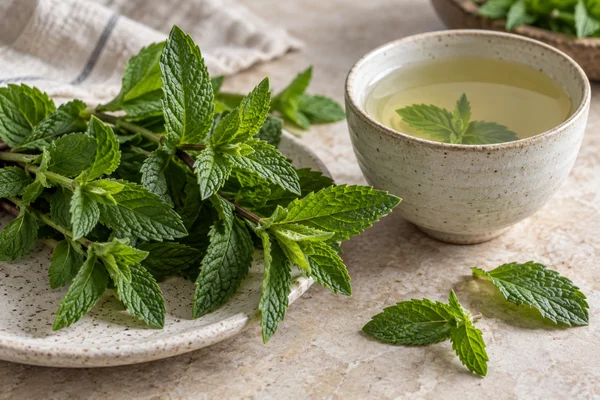
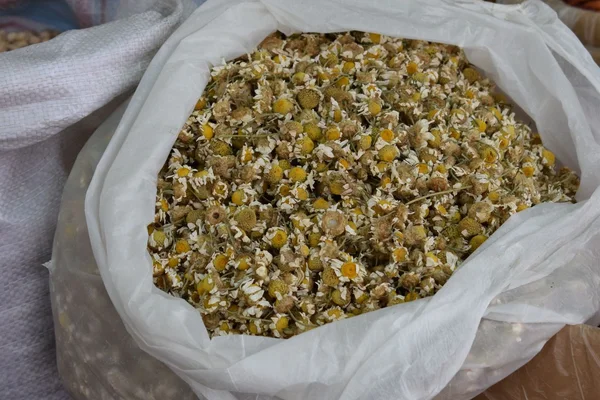
Honeybush and its softly sweet aroma
Honeybush is its own South African botanical, with floral and fruity variation hidden behind a sweet-sounding name.
Honey is a clue, not an ingredient
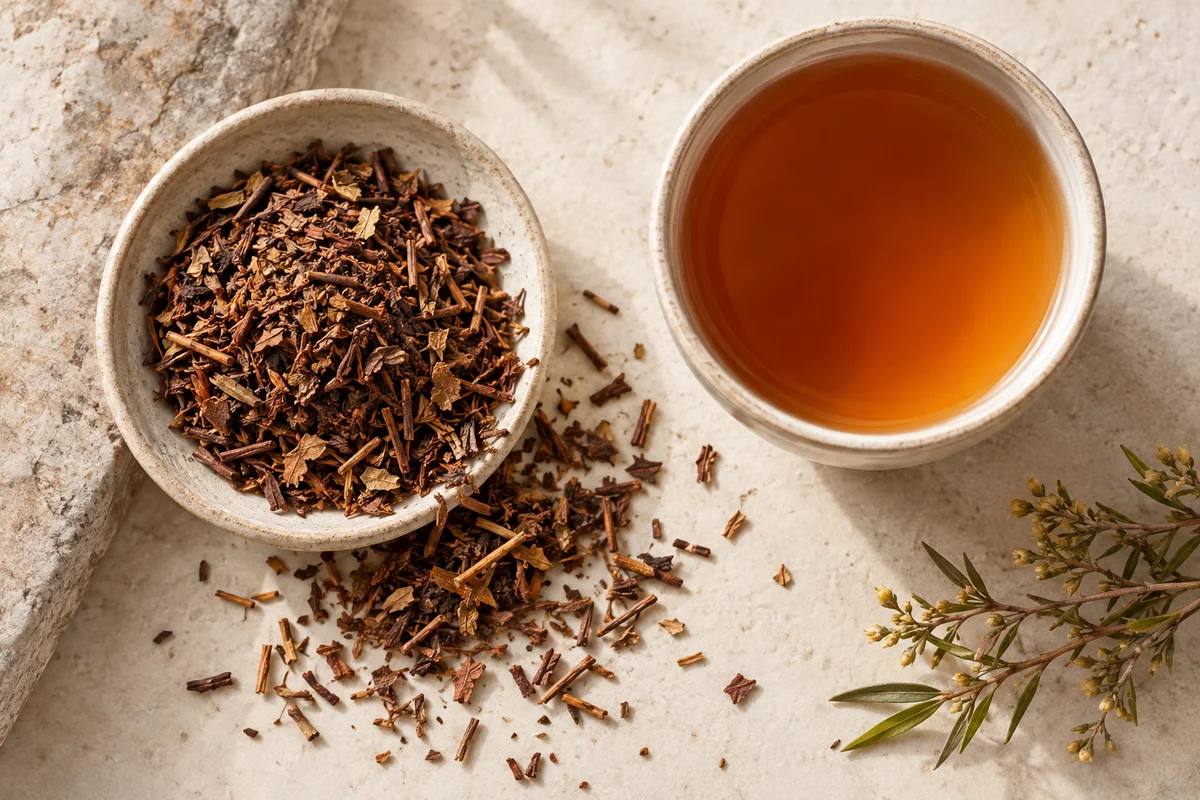
Honeybush is made from plants in the Cyclopia genus, native to South Africa's Cape region. Its name invites a honey association, but plain honeybush does not need added honey to produce its characteristic sweet-smelling profile. It is also not simply another name for rooibos. The two can share a place on the herbal shelf while remaining different plants.
The material used for the drink includes leafy stems rather than a jar of collected flower nectar. The honey-scented yellow blossoms are part of the plant's identity, but the flowers are not required to create the familiar aroma in the finished tea. That distinction prevents the name from turning into an inaccurate picture of the ingredient.
More than one honeybush character
Several Cyclopia species are used, and their sensory profiles differ. Agricultural Research Council descriptions include floral, fruity, woody and sweet-spice impressions across the group. A particular tea might suggest apricot or cooked apple; another can be more floral or show a slightly bitter edge. No single cup is obliged to contain the entire vocabulary.
These comparisons describe the plant's flavour, not a hidden recipe of fruit and spices. If a packet actually includes cinnamon or fruit pieces, that is a separate ingredient decision. Keeping naturally occurring impressions apart from additions makes it easier to understand why plain honeybush can smell complex without a long list on the back.
A rounded drink still needs definition
Sweetness can be a gentle part of the taste as well as an aromatic association, but honeybush should not be expected to behave like a spoonful of syrup. The cup has a plant-like body and may leave a mild drying sensation. Those details give it shape and prevent the sweet description from becoming one-dimensional.
When comparing it with rooibos, look for the specific difference in front of you rather than declaring honeybush universally sweeter or better. Species, processing and blending can all affect the result. A useful note identifies the leading impression and the finish: floral with a woody base, for example, or softly fruity with a small dry edge. That is enough to give this botanical its own place.